CalHFA's ADU Grant: What the $40,000 Covers and Why It's Paused
Chris Koss, AIA|Published: June 2, 2026
Last updated: September 25, 2026
CalHFA's $40,000 ADU grant covers pre-development costs like permits, engineering, and impact fees, not construction. Its last round was fully allocated in December 2023, and it is not accepting new applications.
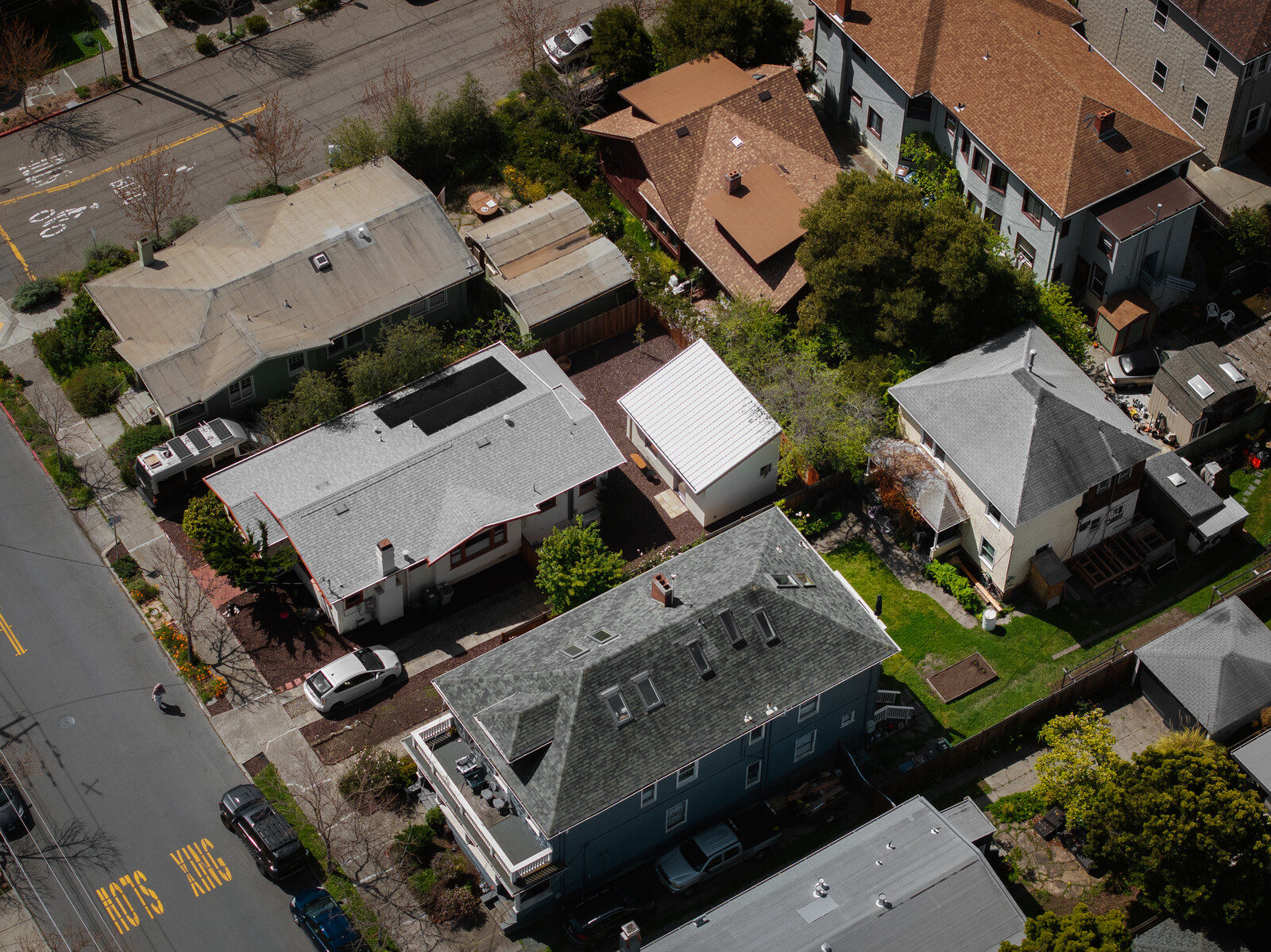
Photography via Dwell.
The CalHFA ADU Grant Program provided up to $40,000 to California homeowners to cover the upfront costs of building an accessory dwelling unit. Past rounds went fast: CalHFA reported the first round fully reserved as of March 1, 2023, and the second opened for reservations on December 11, 2023 and was fully allocated by December 28, 2023. As of May 2026, no new applications are being accepted, and no relaunch date has been confirmed. For first-time ADU clients planning a California build, the $40,000 is often the first number they hear. This post explains what it paid for, who qualified in the last round, and what to use in the meantime.
What the $40,000 actually pays for
The biggest misunderstanding about this program is what the money is for. The grant does not cover construction. The $40,000 is for pre-development costs, which CalHFA defines as the expenses you incur before a single nail gets driven.
What is covered. Architectural plans and structural engineering. Building permit and plan-check fees. Impact fees, which vary widely by city and can represent a significant share of your pre-development budget. Site preparation work including demolition, grading, and utility connections. Soil testing and property surveys. Energy reports and Title 24 compliance studies. Non-recurring closing costs on your construction loan, if your pre-development total comes in below $40,000.
What is not covered. Construction labor. Framing, roofing, and foundation work. Drywall, finishes, fixtures, and appliances. Any cost that happens after the permit is issued and the build starts. The grant does not reduce your contractor's invoice.
For most California ADU projects, pre-development costs run between $15,000 and $40,000 depending on your city's permit-fee schedule and the complexity of the design. In cities with high impact fees, the $40,000 can cover nearly all of your soft costs. In cities with lower fees, leftover funds can apply to closing costs on your construction loan. The full list of eligible cost categories is on the HCD ADU funding page.
Who qualified in the last round
Eligibility was narrow. Under the last round's terms, you had to occupy the property as your owner-occupied primary residence and certify that the ADU would be a long-term rental (31 days or more) or permanent housing for a family member or other resident. CalHFA's published program documents do not address LLC or trust ownership, so ask an approved lender how title is handled if a new round opens.
Income limit: in the last round, household income had to be at or below 80% of the Area Median Income (AMI) for your county, per CalHFA's 2023 ADU Grant income limits, effective November 1, 2023. In a high-cost county like Santa Clara, the limit can exceed $140,000; in San Francisco, the most recent limit was $126,560. In lower-cost inland counties, the limit may be under $70,000. The last published income limits are on the CalHFA ADU program page. Check your household income against the limit first. If you are over it, the rest of the eligibility criteria do not matter.
Two other conditions from the last round's documents. The grant went into the construction loan escrow, not to you, and costs you had already paid up front could not come back as cash; they could only be credited as a principal reduction on the ADU construction loan. The lender also had to certify that it would provide a certificate of occupancy on completion of the ADU.
How the application worked
This section describes the last round, which closed in December 2023; a future round may work differently. You did not apply directly to CalHFA. The grant went through a CalHFA-approved lender or financing partner that had signed CalHFA's ADU Lender Participation Agreement. Here is how it worked in sequence.
Find an approved lender first. Only CalHFA-approved participants could submit this grant; not every mortgage broker or bank could process it. CalHFA's ADU page no longer posts a list of approved lenders, so if a new round opens, check with CalHFA for the current list.
Apply for construction financing at the same time. The term sheet assumed the lender would finance construction of the ADU, though it also allowed a submission with no financing, using the current deed. CalHFA contributed the grant directly to the construction escrow and issued a Form 1099-G for that year, because the grant can have income tax consequences.
Know what the lender submitted. Per CalHFA's November 2023 term sheet, the package included the construction loan deed of trust (or the current deed if no financing was used), the loan approval documents including the income used to qualify, escrow wiring instructions, the Loan Estimate or Closing Disclosure, an itemized list of pre-development costs (a contractor's bid, scope of work or budget), and signed affidavits from the lender and from you. Your affidavit certified owner occupancy and the ADU's rental or family-housing purpose.
What to use right now
While the CalHFA grant is paused, a number of local programs are still active. Availability and income eligibility vary by county.
San Diego Housing Commission ADU Finance Program. Construction loans up to $200,000 plus no-cost technical assistance for San Diego homeowners. Income-qualified.
Santa Cruz County ADU Forgivable Loan Program. Up to $40,000 for homeowners who agree to rent their ADU to a low-income household at affordable rates for 20 years.
San Mateo County One Stop Shop. No-cost support from Hello Housing covering design, permitting, and project management. Not a cash grant, but useful for homeowners navigating the process for the first time.
HCD CalHome Program. State funds distributed through local public agencies and nonprofits for ADU and JADU construction, repair, and reconstruction. Eligibility and availability depend on your local housing authority. The HCD ADU funding page lists currently active programs by type.
For homeowners who do not qualify for any grant or local program, the practical options are a HELOC drawn against existing equity, a cash-out refinance, or a standalone construction loan. Without the CalHFA grant, pre-development costs add directly to your borrowing total. That is worth modeling before you sign a construction contract.
If you want to estimate permit fees across California cities before setting your budget, A-du's permit fee calculator is a quick way to see what your jurisdiction charges before you talk to a lender or architect.