A-du Is Now Live in New York City
Chris Koss, AIA|Published: June 15, 2026
Last updated: September 25, 2026
A-du, the marketplace built around California's ADU boom, is officially live across all five boroughs of New York City as of June 15, 2026, with rentals, builders, services, and managers wired in.
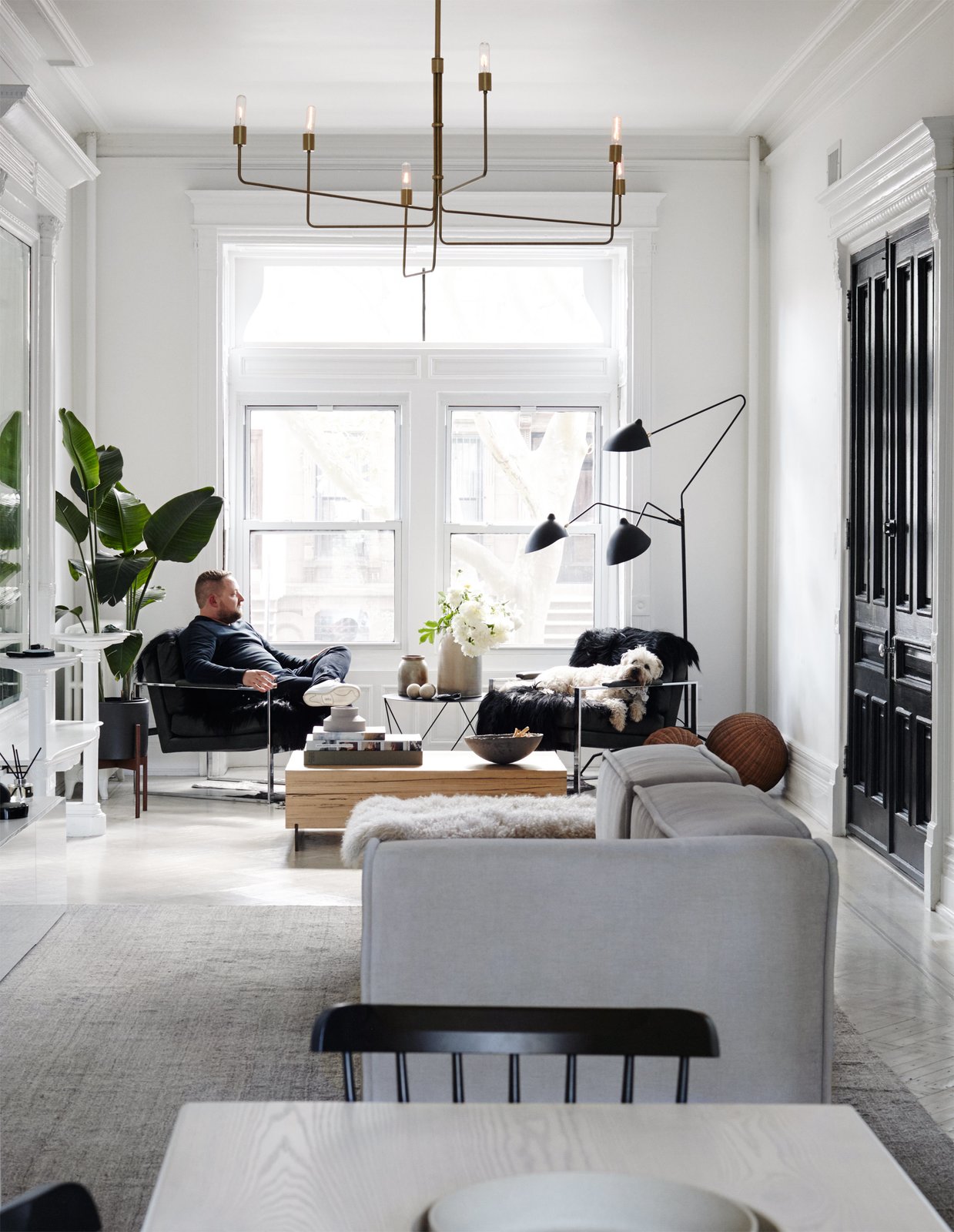
Photography via Dwell.
A-du is live in New York City as of June 15, 2026. Starting today, NYC homeowners can find vetted builders for accessory homes on the build marketplace, property managers for newly legal rentals on the manager marketplace, and inspectors, attorneys, and surveyors on the services marketplace. NYC tenants can browse newly listed accessory homes on the rental map. The marketplace that grew up around California's ADU boom is now wired into New York's very different accessory home regime, on day one, across all five boroughs.
What is live in NYC today
Four A-du surfaces are active for New York City users on launch day. Each one runs on the same engine as its California counterpart, with NYC-specific data wired in.
The build marketplace at a-du.homes/build lists vetted builders, architects, and design-build firms working on accessory dwelling units, basement and cellar legalizations, and small backyard cottages across Brooklyn, Queens, the Bronx, Staten Island, and the eligible parts of Manhattan. If you own a one-family or two-family home and want to start a project, the build marketplace is where you compare bids.
The services marketplace at a-du.homes/services covers the supporting cast: property surveyors, structural and code inspectors, real estate attorneys, expediters who file with the Department of Buildings, and contractors specializing in egress and fire separation work. Every NYC basement legalization touches three or four of these trades.
The manager marketplace at a-du.homes/manager-marketplace connects NYC homeowners with property managers experienced in mixed-use brownstone management. If you complete a legalization and want to rent out the new unit without becoming a full-time landlord, this is the surface for you.
The rental map at a-du.homes/map now displays NYC accessory home listings. Tenants browsing for a Bed Stuy garden apartment, a Ridgewood basement unit, or a Bronx attic conversion can filter by borough and accessory home type.
NYC accessory homes are not California ADUs
The single most important thing for any California reader to know is that New York City's accessory home regime is fundamentally different from the one A-du Insights has been covering for the last year. Pretending otherwise would be a disservice to NYC homeowners walking into their first DOB filing.
California's ADU regime is statewide, ministerial, and mature. The state Department of Housing and Community Development publishes an ADU handbook with binding deadlines for local agencies. Permit fees are capped by state law. CalHFA runs grant programs. Cities like Los Angeles operate pre-approved plan catalogs through LADBS.
New York City's accessory home regime is, by contrast, very young. In December 2024 the City Council passed the City of Yes for Housing Opportunity zoning text amendment alongside Local Laws 126 and 127 of 2024, which created the city's first legal framework for what NYC calls Ancillary Dwelling Units in one-family and two-family homes. On September 30, 2025 the Department of Buildings began accepting ADU applications through the DOB NOW: Build filing portal. Eligible accessory home types under the rules include basement and cellar apartments, attic apartments in one-family homes, and small backyard cottages on the same lot as a one-family or two-family residence.
A few practical consequences. New York's terminology shifts by borough and by program. A homeowner in Brooklyn might call the same downstairs unit a basement apartment, a garden apartment, a cellar conversion, or an ADU depending on which form they are filling out. Brooklyn, Queens, the Bronx, and Staten Island have meaningfully more legal conversion opportunity than Manhattan, where most of the city's one-family and two-family stock simply does not exist. NYC DOB runs the basement legalization pilot, with HPD writing the tenant right-of-return rules; the state Homes and Community Renewal agency co-funds the city's Plus One ADU financing program. There are multiple permitting tracks, not one.
If you own a Brooklyn or Queens two-family, here is what changed
Say you own a two-family home in Bushwick (Brooklyn Community District 4, inside the basement legalization pilot area) with a basement apartment that existed before April 20, 2024 and has been rented without a certificate of occupancy for years. Before December 2024, your options were to keep operating under the radar or to vacate and dismantle the unit at significant personal cost. Local Law 126 adds a third option: enroll the unit in the pilot with an Authorization for Temporary Residence, bring it up to code in stages over as long as 10 years, and finish with an amended certificate of occupancy for a legal Ancillary Dwelling Unit. The unit can stay occupied while you meet each safety milestone, and a tenant who lived there on April 20, 2024 has a right of first refusal to return if the work forces a temporary move, which is a meaningful change from the old enforcement regime. The catch: DOB is not yet accepting pilot applications and will not until its rules for the program are final. The pilot also stops at district lines. Next door in Bed Stuy (Brooklyn Community District 3), an existing basement unit in a two-family home has no pilot path, and converting it through a regular ADU filing turns the building into a three-family dwelling under the stricter Multiple Dwelling Law.
What A-du does for you in that scenario is consolidate the team. The build marketplace surfaces general contractors who have completed basement legalizations specifically. The services marketplace pulls in the DOB expediter, the licensed plumber, the licensed electrician, and the egress specialist most of these projects need. The manager marketplace puts a property manager in place once the unit is legal, if you want one. None of this replaces a good local architect, and the post does not promise to. It does replace the spreadsheet you would otherwise be keeping.
If you are a tenant evaluating a newly legal NYC accessory home
Newly legal basement and cellar apartments will start appearing on rental platforms over the next eighteen months as legalization filings clear DOB review. If you find one on the A-du rental map or anywhere else, ask the landlord for the DOB certificate of occupancy or temporary certificate of occupancy that authorizes the unit. Ask whether the unit was created through a regular ADU filing or is enrolled in the Local Law 126 legalization pilot, because the protections vary. Confirm the lease lists the unit address with the apartment number that matches the DOB filing, not a generic building address.
The standard New York Real Property Law tenant protections apply once the unit is legalized: lease form requirements, security deposit limits, eviction procedures. The unit must have legal egress, smoke and carbon monoxide detectors, and the bedroom-sized window the code requires for a legal sleeping room. If any of those are missing, the unit is probably still operating illegally.
Whether you are planning a basement legalization in Bushwick or looking at a Ridgewood garden apartment to rent next month, A-du is now the marketplace for it. Browse the A-du build marketplace to find a vetted NYC contractor today.