NYC Will Permit a New Cellar ADU. Legalizing an Old One Waits.
Chris Koss, AIA|Published: July 18, 2026
Last updated: September 25, 2026
New York quietly opened filings on April 9 for a new one-family home built with a cellar apartment, after Local Law 80 lifted the cellar-rental ban that had blocked them. The pilot to legalize an existing basement unit is still frozen, waiting on the city's rules.
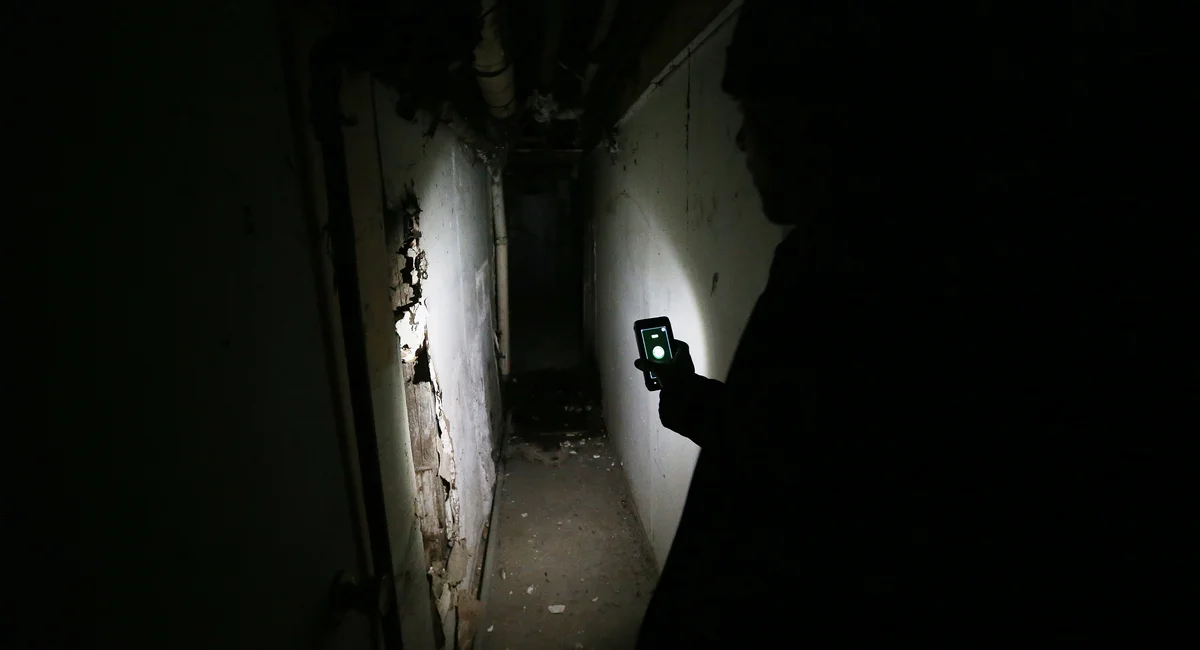
A row-house cellar in the outer boroughs, where much of this will play out. Gothamist.
If you own a one-family house in Queens with an unfinished cellar, April 9 mattered, though maybe not the way you heard. Local Law 80 of 2026 amended the Housing Maintenance Code so a cellar ADU with a certificate of occupancy can be rented, and the Department of Buildings began accepting filings the same day for a new one-family home built with a cellar ADU. Converting the cellar of a house you already own runs on a different track: an alteration under Appendix U of the Building Code, added by Local Law 127 of 2024, whose own occupancy rule already set the old cellar ban aside for a one-family home's cellar ADU. The separate pilot to legalize existing, unpermitted basement and cellar apartments stays closed until DOB finishes writing its rules.
The short version:
- A new one-family home can now be filed with a cellar ADU, up to 800 square feet, through DOB NOW, under 1 RCNY 105-08(d)(4), effective April 9, 2026, because Local Law 80 of 2026 lifted the Housing Maintenance Code's ban on renting a cellar ADU that has a certificate of occupancy.
- The Local Law 126 pilot that would legalize an existing, unpermitted basement or cellar apartment is not accepting applications yet. DOB has to promulgate the rule first.
- Whether your below-grade space counts as a basement or a cellar is not cosmetic. It drives flood-zone exclusions and which safety rules apply.
"Applications for a 1-family home constructed with a cellar ADU are now accepted pursuant to 1RCNY105-08(d)(4) and Local Law 80 of 2026." NYC Department of Buildings, Ancillary Dwelling Units program page (last revised April 9, 2026).
Basement, cellar, and why the line decides your project
New York draws the distinction at the curb. A basement keeps at least half of its floor-to-ceiling height above curb level; a cellar sits with more than half of that height below it. It sounds like trivia until you notice how much rides on it. Below-grade units, both basements and cellars, are barred outright in the 10-year rainfall flood risk area, the coastal flood risk area, and the special flood hazard areas the city maps through the Department of Environmental Protection, per the DOB program's ancillary dwelling unit guidance. So the first question is not what you want to build. It is which map your block falls on.
The shared frame is Local Law 127 of 2024, which sets the construction, fire-safety, and occupancy standards for every ADU, new or legalized, and Local Law 126, which created the legalization pilot. Both took effect June 16, 2025, and DOB NOW began accepting ADU filings on September 30, 2025. An ADU is capped at 800 square feet, roughly a modest two-bedroom, and you get one per one- or two-family home. The owner has to live on the zoning lot at the time the unit is first occupied. If you are a first-time ADU client, that owner-occupancy line is the one most people miss.
What Local Law 80 actually opened
Here is the part that is genuinely new. Local Law 80 of 2026, effective April 9, changed one line of the Housing Maintenance Code: the ban on renting cellar rooms in one- and two-family homes now exempts an ADU in a cellar that has a certificate of occupancy or temporary certificate of occupancy. That unlocked a filing path DOB's own rule had held back until the code changed, 1RCNY105-08(d)(4), for a basement or cellar ADU built together with a new single-family home. In plain terms: the paperwork route for a new house with a cellar unit now exists and is open. You file it in DOB NOW as you would any other ADU job, and a licensed architect drives the filing, the same portal and workflow the city opened for new ADU jobs last fall.
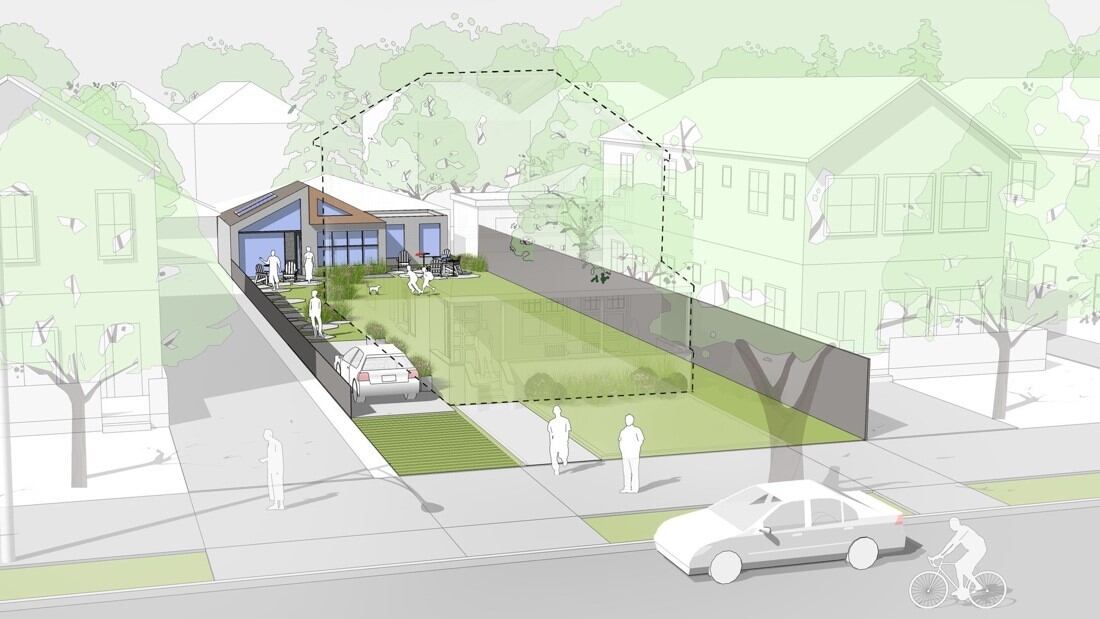
That is a real door, and it is open today. It is also narrow. It is the new-construction side of the ledger: pouring a new house with its cellar unit built to code from the start, with the city watching. If you already own the house, converting its cellar is a separate Appendix U alteration that needs, among other things, a cellar ceiling at least 2 feet above grade, sprinklers, and proper egress. Neither is a way to bless the apartment that is already down there.
What is still closed: the legalization pilot
The Local Law 126 pilot is the one most homeowners actually need, and it is not taking applications. The DOB page is blunt about it: pilot applications are not accepted until the rule under Local Law 126 is promulgated and effective. The pilot is meant for basement and cellar apartments that already exist, were occupied unlawfully, and predate the April 20, 2024 cutoff, giving owners a decade to bring them up to Local Law 127 standards while the tenants stay put. The application window is written to close April 20, 2029. That runway is in the law; the door to walk through it is not built yet.
If you are a tenant living in one of those units, this is the distinction that matters most. A new cellar ADU filed under Local Law 80 arrives with a certificate of occupancy and clear legal footing. An existing unit waiting on the pilot does not, yet, and your protections during the eventual work, including the right to return, live inside a pilot that has not opened.
Our read: the city has made it easier to build a brand-new cellar unit than to make legal the one a family already lives in. That is the reverse of where the need is most acute, and it will stay that way until DOB finishes the Local Law 126 rule.
The cross-street check. This basement-or-cellar line is a New York problem. In Los Angeles, a converted below-grade space is just floor area under the state's ministerial ADU law; what decides its fate is the certificate of occupancy and the rent rules that follow, as we explained in the certificate-of-occupancy test for LA rent control, not where the floor sits relative to the sidewalk. In San Francisco, a ground-floor or garden in-law turns on the choice between the Waiver and No-Waiver tracks and the rent-control tradeoff that rides on it, the decision we walked through for SF tenants trying to tell which track their unit is on. New York is the only one of the three where a flood map can flatly forbid the unit and where a definition, basement versus cellar, changes the rulebook you build to.
What to watch
One thing: the Local Law 126 rule. When DOB promulgates it, the legalization side opens and the tens of thousands of existing subgrade units in the eligible districts finally have a filing path. Until then, the honest read is that April 9 helped the homeowner planning new work more than the family already living downstairs.
If you are weighing a new cellar unit and want the fee stack and vendor side mapped before you file, A-du's build marketplace is built for exactly that first pass.
Watch the DOB rules page through the summer. The moment the Local Law 126 rule lands, the more important half of this reform switches on.
Elsewhere on the ADU beat
- Advocates and lawmakers say the basement pilot's eligibility rules leave out the neighborhoods that need it most, reports City Limits.
- Housing experts give the proposed basement rules low marks for how hard they are to actually use, per Brownstoner.
- The Regional Plan Association weighs the early progress against the persistent limits on which lots qualify at RPA.