NYC ADU Eligibility: What Actually Disqualifies a Lot
Chris Koss, AIA|Published: July 2, 2026
Last updated: September 25, 2026
Local Laws 126 and 127 set New York City's ADU rules, but zoning, flood maps, and historic districts disqualify plenty of lots before square footage ever comes into play. Here is what rules a property out.
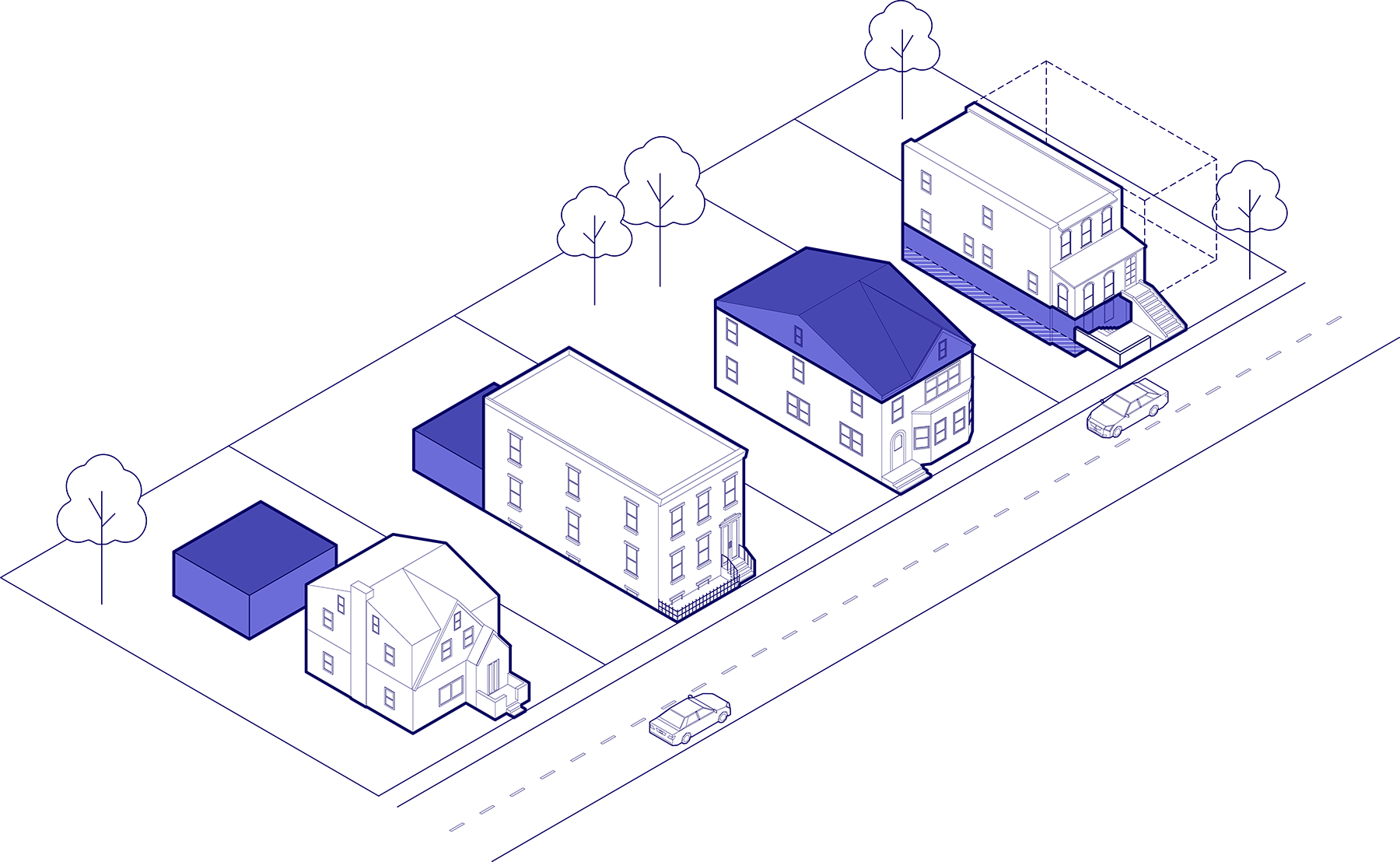
An ADU-eligible lot in Bay Ridge, via NYC Department of Buildings.
An Ancillary Dwelling Unit in New York City tops out at 800 square feet and one per one- or two-family lot, but most lots never get that far. Before square footage matters, the Department of Buildings checks the lot against a stack of zoning, flood, and historic-district rules that disqualify plenty of otherwise-eligible homes, including part of one Brooklyn neighborhood carved out by name.
What makes a lot eligible in the first place
Local Laws 126 and 127 of 2024 took effect June 16, 2025, and split the ADU rules into two tracks. LL127 sets the design and construction requirements for any new ADU, whether it is a backyard cottage, an attic conversion, or a garage build-out. LL126 is narrower: a pilot program that lets certain pre-existing basement and cellar apartments get legalized rather than built from scratch. DOB has accepted new ADU filings through DOB NOW: Build since September 30, 2025.
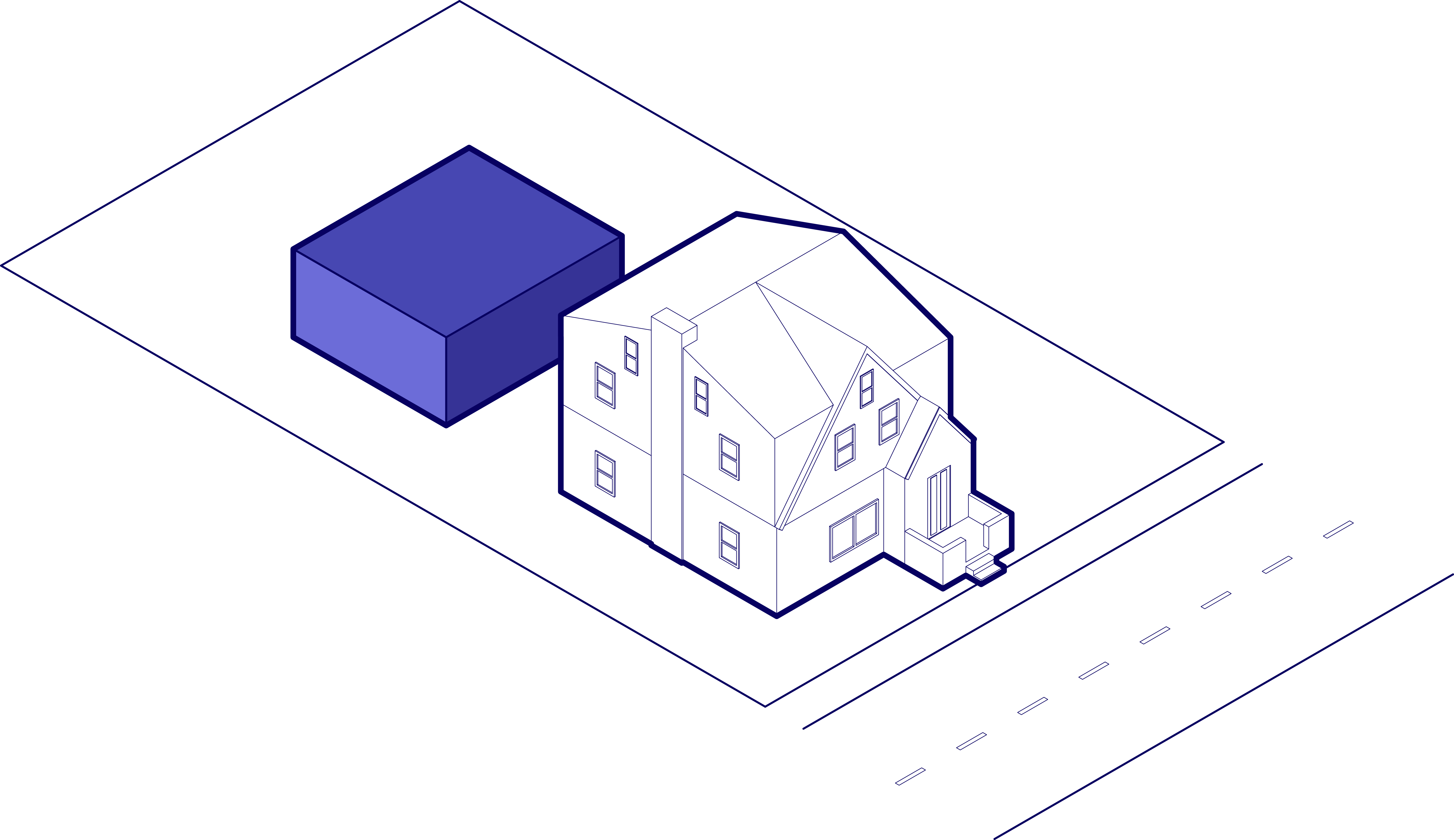
The baseline rule is simple. Only one ADU is allowed per one- or two-family home on a zoning lot, capped at one per tax lot, and at the time the ADU is first occupied, that lot has to be the owner's primary residence. A two-family home with its own tax lot can add one ADU; two separate one-family homes sharing a zoning lot can each add one, for two total. Garage conversions are allowed and can skip replacing the parking spot if the zoning resolution permits it, but a garage conversion does not count as a Backyard ADU under the code, which matters for the restrictions below.
The disqualifiers: flood maps, historic districts, and one Brooklyn neighborhood by name
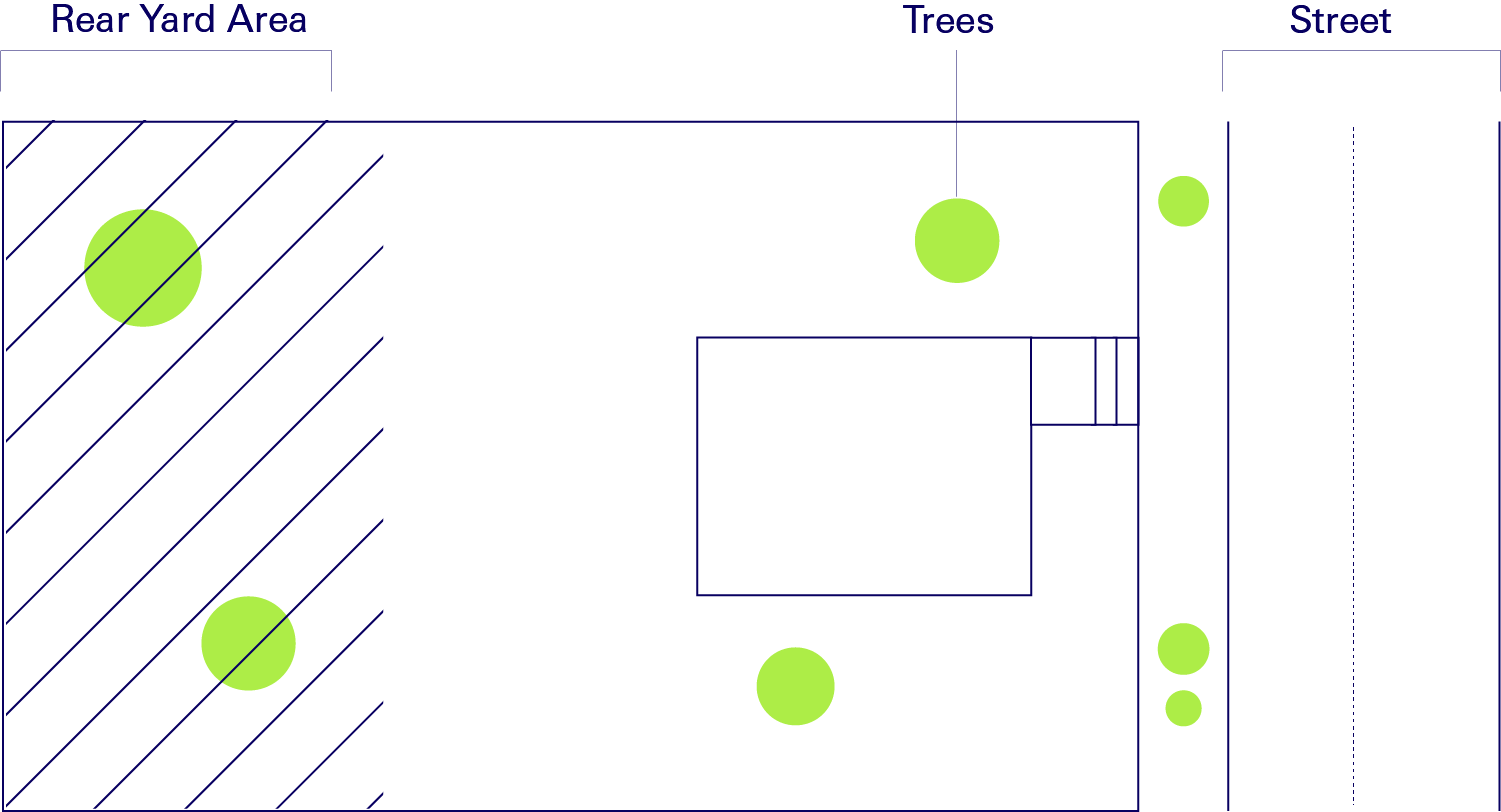
A Backyard ADU, defined in the Zoning Resolution as a standalone structure built after December 5, 2024 where the ADU is the only dwelling on the lot, is not allowed everywhere residential use is otherwise permitted. The DOB's ADU FAQ lists the exclusions directly: Backyard ADUs are prohibited in the Special Bay Ridge District (west of Ridge Boulevard or south of Marine Avenue, per DOB's program page), in R1-2A, R2A, and R3A zoning districts outside the Greater Transit Zone, in flood-risk areas, and in historic districts. That last one is worth sitting with if you are a first-time ADU client in a landmarked rowhouse block: a lot can meet every other criterion and still be disqualified purely on district designation.
Flood risk cuts across every ADU type, not just backyard structures. Basement, cellar, and Backyard ADUs are barred outright in the 10-year rainfall flood risk area, the coastal flood risk area, and the special flood hazard areas mapped by the Department of Environmental Protection. Above-grade ADUs in those same zones are not banned, but they carry additional elevation requirements on top of the standard code. For a homeowner evaluating a lot in a low-lying part of Queens or Staten Island, the DEP flood maps, not the zoning map, are often the first document worth pulling.
If your lot already has a basement tenant
LL126's legalization pilot only reaches specific community districts: Bronx CDs 9, 10, 11, and 12; Brooklyn CDs 4, 10, 11, and 17; Manhattan CDs 2, 3, 9, 10, 11, and 12; and Queens CD 2, plus any additional districts authorized under Section 289 of the Multiple Dwelling Law. Inside that footprint, a unit qualifies for legalization if it was occupied before April 20, 2024, has acceptable kitchen and sanitation facilities, and passes a city agency assessment. Eligible units can enter the Temporary Residence Program, which allows continued occupancy before a final certificate of occupancy while the owner works through a 10-year compliance schedule. DOB has not yet opened Authorization for Temporary Residence applications; those will file through DOB NOW when the window opens.
The tenant protection built into LL126 matters for renters specifically: anyone in place as of April 20, 2024 has a right of first return once legalization renovations are complete. Miss a milestone deadline in the 10-year compliance plan, though, and DOB can revoke the ATR and reinstate enforcement action, including a vacate order, which is a real consequence for a tenant who assumed the unit was already settled.
What to check before you call an architect
If you're a building or designing homeowner in one of the outer boroughs weighing a backyard cottage against an attic conversion, the fastest disqualifying checks are the cheapest ones to run first: is the lot in the restricted part of the Special Bay Ridge District or in an R1-2A, R2A, or R3A zone outside the Greater Transit Zone, is it inside a historic district, and does it fall inside a DEP flood risk area. Any one of those rules out a Backyard ADU regardless of lot size or setback math. From there, the construction-side numbers get specific fast: a rear-yard ADU caps at one story and 15 feet, an ADU built above a garage in the rear yard can go to two stories and 25 feet, habitable rooms need at least 7 feet of ceiling height, and a cellar ADU's ceiling has to sit at least 2 feet above grade, or DOB will not permit it as habitable space at all. Sprinklers are required in most ADU types, and attic ADUs are sprinklered without exception.
None of this replaces a design professional reading Appendix U against your specific lot, but it is enough to rule a property in or out before you pay for a feasibility study. A-du's build marketplace can pull the zoning and flood-map layers for a specific address and connect you with vetted architects who already know Appendix U cold.