California Just Made Coastal ADUs Easier to Permit. On Paper.
Chris Koss, AIA|Published: July 7, 2026
Last updated: September 25, 2026
California owed coastal homeowners a simpler ADU permit by July 1. It met the deadline with guidance, not a mandate, so whether your Palisades or Sunset lot feels it hinges on your city rewriting its coastal rules.
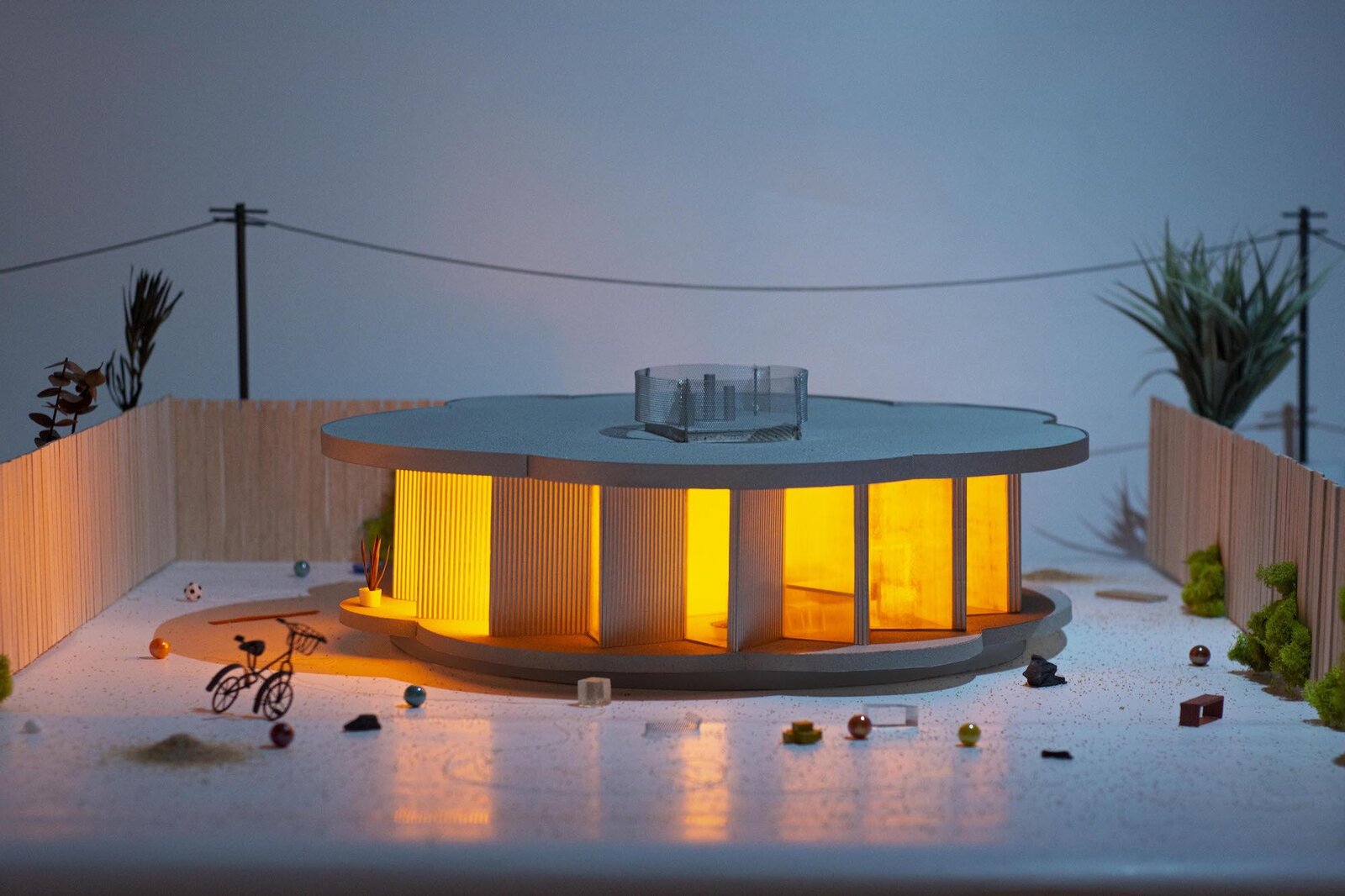
A detached backyard ADU in California. Photo via Dwell.
California owed coastal homeowners a simpler way to build an ADU by July 1, and the state actually hit the date. On the July 1, 2026 deadline set by SB 1077, the California Coastal Commission and the Department of Housing and Community Development posted final guidance meant to help coastal cities rewrite their local coastal programs so that ADU and JADU permits move faster inside the coastal zone.
The short version:
- The Coastal Commission and HCD published the final SB 1077 guidance on its July 1, 2026 statutory deadline. It is a template for cities, not a rule that changes your lot on day one.
- The part with real teeth is a separate law, AB 462, which makes a coastal city approve or deny an ADU coastal development permit within 60 days. In Los Angeles and Orange counties, coastal-zone ADUs averaged 233 to 260 days from application to permit in 2018 to 2022, according to a Terner Center analysis.
- Nothing shifts at your permit counter until your city amends its own local coastal program, which is exactly the paperwork this guidance is built to speed up.
From the text
The mandate is short, and the operative sentence is worth reading in full before anyone tells you what it does for your project.
"By July 1, 2026, the commission shall, in coordination with the Department of Housing and Community Development, develop and provide guidance for local governments to facilitate the preparation of amendments to a local coastal program to clarify and simplify the permitting process for accessory dwelling units and junior accessory dwelling units ... within the coastal zone."
Public Resources Code Section 30500.5(a), added by SB 1077.
Read it twice and the load-bearing word is "guidance." The commission has to help cities write better coastal rules. It does not, by itself, rewrite any city's rules for them. The final guidance now sits on the Coastal Commission and HCD websites, alongside a coastal ADU statistics report the state used to argue the coastal zone was underbuilding. That is the whole event: a document, delivered on time.
What actually changed
For most of the last decade, California ran two ADU worlds. Outside the coastal zone, ADUs in Los Angeles and Orange counties averaged 101 to 147 days from application to permit between 2018 and 2022. Inside it, the same unit averaged 233 to 260 days, per the Terner Center's count (San Diego County showed no significant gap), and could need a coastal development permit, carry thousands of dollars in extra review, and face real uncertainty about what a coastal commission staffer would accept. The city will tell you an ADU is an ADU. What it will not tell you is that a coastal parcel and an inland parcel two miles apart were living under different clocks.
SB 1077 is the state trying to collapse that gap without gutting the Coastal Act. The guidance gives cities a model for amending their local coastal program so an ADU can clear coastal review on the same ministerial track as everywhere else. Pair it with AB 462, which sets the 60-day coastal permit clock and runs it concurrently with land-use review, and the coastal timeline starts to look like the inland one. Sixty days is roughly two construction-loan rate locks. The old coastal path could eat a full year of them.

Who wins, and who waits
If you are rebuilding on a coastal lot in the Pacific Palisades, this is aimed squarely at you. Executive Order N-9-25 already lets an ADU on a property the January 2025 fires substantially damaged or destroyed take its certificate of occupancy before the primary home is finished (AB 462's similar rule covers only emergencies proclaimed on or after February 1, 2025, so it does not reach the Palisades), and a faster coastal permit is the difference between returning to your property this year and paying rent through another one. First-time ADU clients on any coastal parcel, from Malibu to the western edge of San Francisco, get a state-blessed argument to hand a slow planner: here is the model your city is supposed to follow.
The people who wait are everyone whose city has not moved yet. Guidance is a suggestion with a nice letterhead. A local coastal program amendment is a public process that a city council has to actually run, and coastal cities are not famous for speed. As we wrote when SB 1077 first passed, the bill always pushed the real work down to the local level. Today just moved the starting gun, not the finish line.
Our read: the guidance is a recommendation, not a switch that flips at your permit counter. The enforceable piece is AB 462's 60-day clock. Until your coastal town rewrites its own local coastal program, a Coastal Commission PDF does not shorten your wait by a single day, and the towns that need it most are the ones least likely to hurry.
The cross-street check. This is a California problem with no clean equivalent in our other two markets, which is what makes it worth watching. Los Angeles feels it hardest because the Palisades rebuild sits inside the coastal zone, so the same lot carries both fire-recovery urgency and coastal review. San Francisco has its own coastal edge along Ocean Beach and the Sunset, but the city's harder ADU fork is the Waiver versus No-Waiver rent-control tradeoff, not a coastal permit. New York has no coastal commission at all; instead of streamlining shoreline permitting, it simply excludes flood-risk zones from its ADU and basement programs outright, which is why, as we covered when the last July 1 housing deadline hit, eligibility maps decide more than statutes do. California is trying to permit its way into the coastal zone. New York just draws a line around the water and stays out.
What to watch
The tell will be the first coastal city to actually adopt a local coastal program amendment using this template, and how long its council takes to do it. Watch San Diego and the smaller coastal cities that have been fighting the Coastal Commission in court; a CalMatters analysis this spring found the commission losing key authority in two lawsuits, and a weaker commission plus a fresh how-to guide could speed adoption or scramble it. If you are a coastal ADU owner, the honest move today is to call your city's planning desk and ask one question: have you amended your LCP for ADUs yet. The answer, not the state guidance, is your real timeline.
Budgeting a coastal build means pricing the coastal development permit on top of the standard stack, and our permit fee calculator is the fastest way to see what that adds before you commit.
The guidance is out and the deadline is met. The next real deadline is the one your own city sets for itself, and that clock has not started.
Elsewhere on the ADU beat
- Los Angeles council members floated letting homeowners sell ADUs separately from the main house, a cheaper path to ownership the city still has not adopted, LAist.
- The Coastal Commission lost two lawsuits this spring that trimmed its authority over locally approved projects, CalMatters.
- New York's Department of Buildings had received 98 ADU filings under City of Yes by December 2025, half of them after the city finalized its rules and launched ADU for You, NYC Mayor's Office.