Signed: SB 1090 Pauses Altadena Subdivisions Until 2030. Not ADUs.
Chris Koss, AIA|Published: July 16, 2026
Last updated: October 1, 2026
A law to keep predatory developers out of fire-scarred Altadena, signed September 30, 2026, pauses SB 1123 subdivisions in ZIPs 91001 and 91003 until 2030. It spares your backyard ADU, and SB 9 lot splits too.
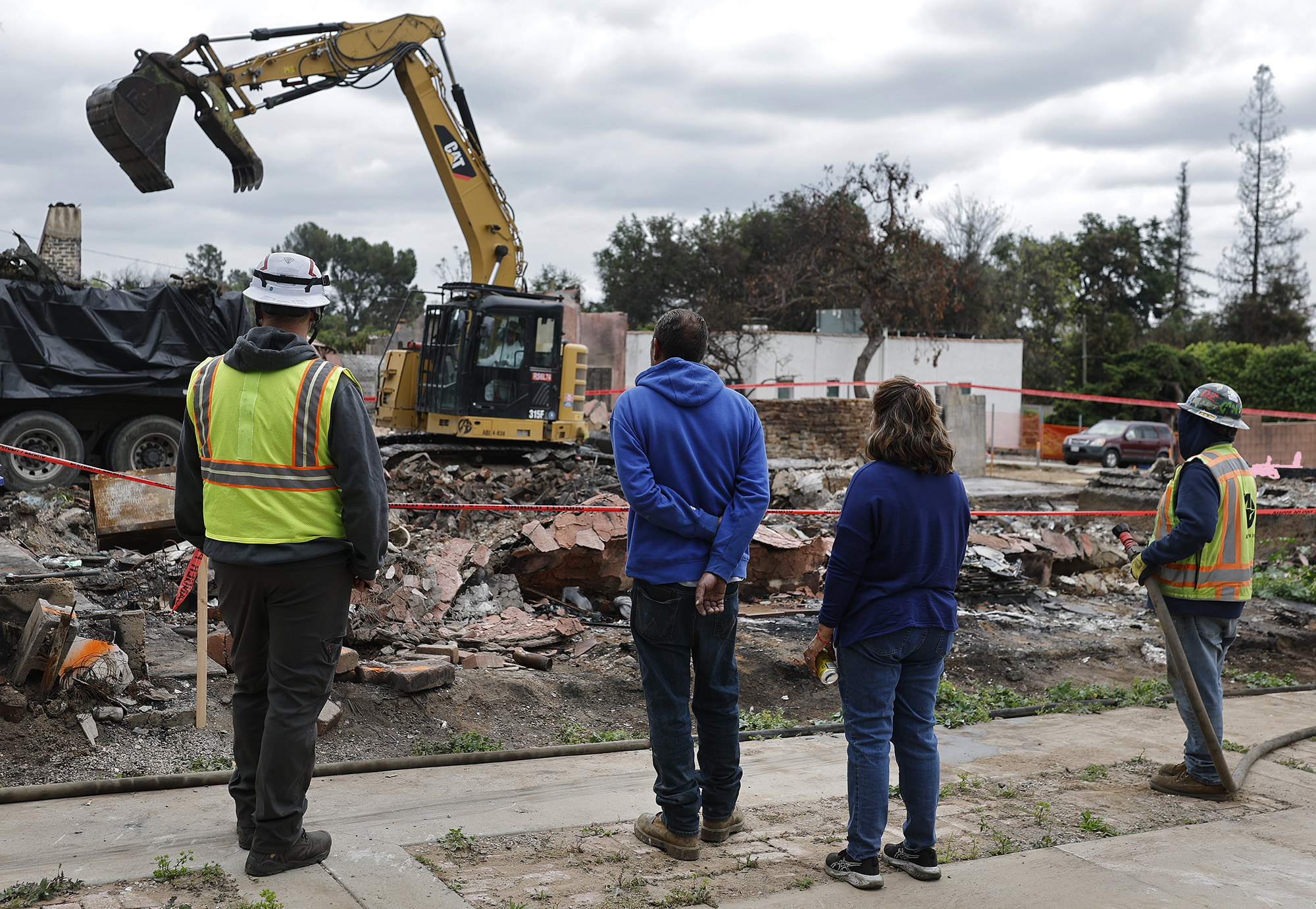
Photo: Altadena recovery after the Eaton Fire. CalMatters.
Andrew Post's parents lost their house on North Marengo Avenue, and the typical Altadena family that wants to rebuild is short about $550,000 after insurance. In July, a state bill threatened one of the few tools that could close that gap. As it cleared two Assembly committees on July 1, SB 1090 would have exempted Altadena's ZIP codes from California's SB 9 lot-split and SB 1123 subdivision laws through January 2030. The version Governor Newsom signed on September 30, 2026, is narrower: it pauses only SB 1123 subdivisions, keeps SB 9 lot splits available, and still leaves accessory dwelling units entirely alone.
The short version:
- As signed on September 30, 2026, SB 1090 switches off ministerial approval for SB 1123 subdivisions in ZIP codes 91001 and 91003 for applications submitted on or after October 1, 2026, until January 1, 2030. The July version also covered SB 9 lot splits; the final one does not.
- It does not amend California's ADU or JADU statutes, so a detached ADU or a junior ADU stays ministerial on a burned Altadena lot.
- Of 5,645 Altadena parcels with damaged or destroyed homes, only 52 have filed SB 9 permits so far. Fourteen are under construction and two are finished.
What the bill actually does
Senate Bill 1090, carried by Sen. Sasha Renee Perez with Altadena Assemblymember John Harabedian as principal coauthor, amended four sections of the Government Code in its July version, all governing the same thing: turning one single-family lot into more than one saleable piece. SB 9 (Sections 65852.21 and 66411.7) lets an owner build a second unit and split the parcel in two. SB 1123 (Sections 65852.28 and 66499.41) makes it easier to subdivide a vacant single-family lot into as many as 10 small lots and sell the homes built on them. The final version amends only the two SB 1123 sections. It switches off the ministerial, no-hearing approval that law normally guarantees, but only inside Altadena, only for applications submitted on or after October 1, 2026, and with exceptions for some projects that applied before that date and for deed-restricted, 100 percent affordable projects from nonprofit developers or community land trusts. The bill carries an urgency clause, so it took effect immediately when Governor Newsom signed it on September 30, 2026 (Chapter 1006, Statutes of 2026).
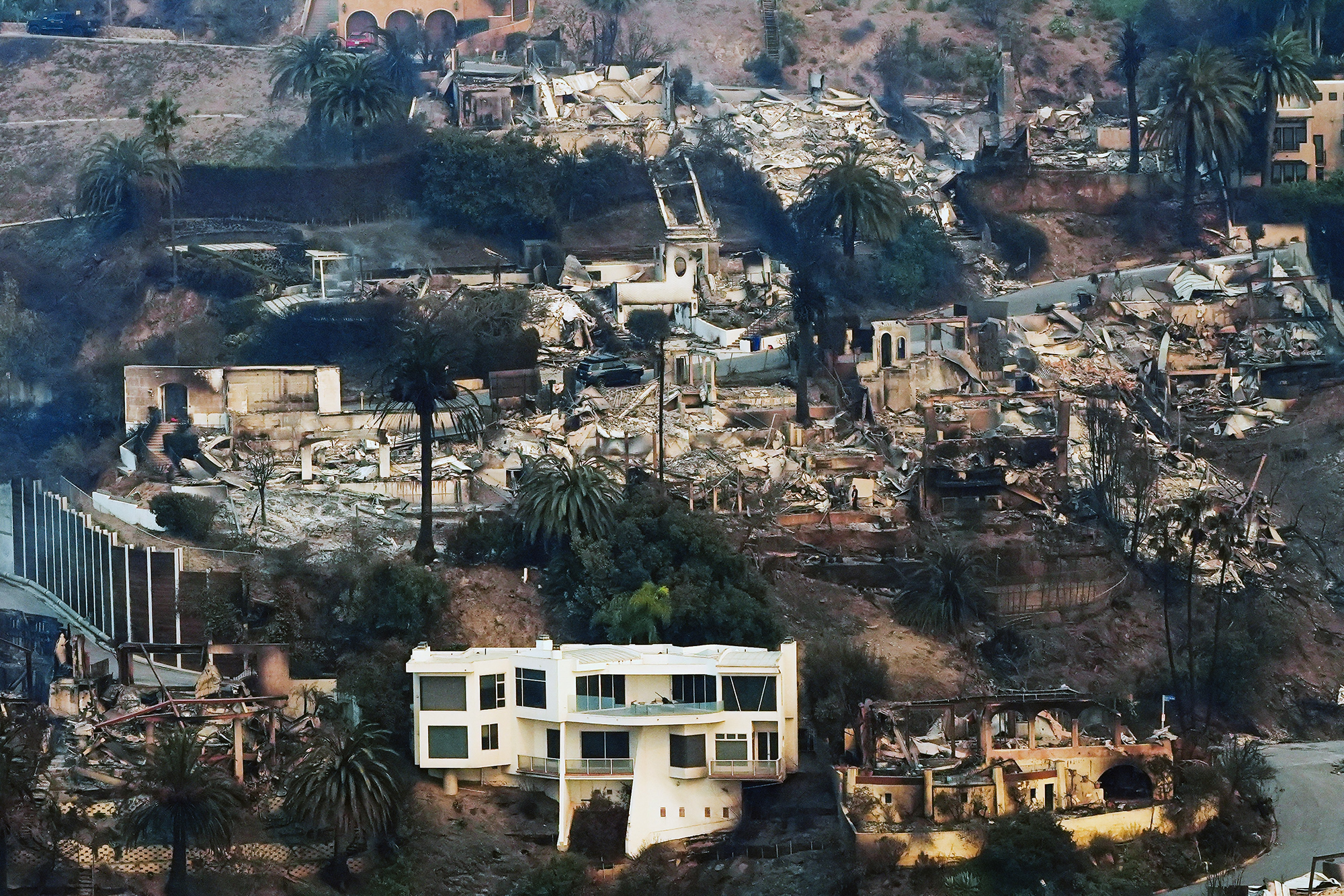
Perez frames it as protection. Altadena, her principal coauthor John Harabedian said at the same press conference, should not be "a playground for people who want a return on investment." Before the fire, 95 percent of the homes in the burn footprint were single-family, according to a UCLA analysis, and supporters argue the state's density laws were never written for a town that was two-thirds destroyed in a single night.
"This bill would, until January 1, 2030, provide that the above-described ministerial approval requirements do not apply to an application for a proposed housing development or map located in ZIP Code 91001 or 91003 and submitted on or after October 1, 2026, except as specified." SB 1090, enrolled September 1, 2026, Legislative Counsel's Digest.
Your ADU is not in this bill
Read the list of amended sections again: the final bill touches only 65852.28 and 66499.41, and even the July draft added just 65852.21 and 66411.7. None of them falls in Sections 66310 through 66342, the chapter of state law that makes accessory dwelling units and junior ADUs ministerial, where California moved its ADU statutes (formerly Sections 65852.2 and 65852.22) on January 1, 2025. If you are a first-time ADU client on a burned Altadena lot, SB 1090 does not reach your backyard unit. A detached ADU, a garage-footprint conversion, or a junior ADU inside the main house is approved under the separate ADU law, on the same 60-day clock it always had. The bill freezes the subdivision, not the second home.
That distinction matters more here than almost anywhere, because Altadena is already leaning on ADUs to house families while the main house is under construction. Five days ago we covered LA County's Eaton Fire ADU grant, which pays survivors to do exactly that. SB 1090 leaves that path open. In its final form it also leaves SB 9 alone, so an owner who wants to split the lot and sell part of the land keeps that option.
Who wins and who loses
The winners are the residents, and there are many, who watched renderings of new multifamily housing land on a street of bungalows and decided that was not the Altadena they were burned out of. The temporary, two-ZIP scope of the bill is aimed squarely at out-of-town speculators, and it is meant to slow them down.
The losers got fewer as the bill moved. Andrew Post's retired parents filed in June to split their North Marengo parcel, hoping to sell half and fund the rest of their build, and Azeen Khanmalek of Abundant Housing LA told CalMatters that density laws like SB 9 should be seen as "potential tools and pathways to help some homeowners come back and rebuild, rather than as threats." The July version would have turned off SB 9 for anyone who had not filed by 2027. The final version leaves SB 9 in place, so that lump sum is still available. What it pauses is the larger SB 1123 subdivision, up to 10 homes on one lot. The owners who lose now are the ones who planned to use SB 1123 themselves, or to sell to a buyer who would, and who did not apply before October 1, 2026.
Our read: as signed, SB 1090 protects Altadena's character and its ADU rights at the same time, and it does not close the door that mattered most to cash-short survivors: SB 9 still lets you split a lot and sell the far half. The pause falls on SB 1123 townhome subdivisions, the projects the bill ties to predatory development after the fire, not on what a returning owner can build under SB 9 or ADU law. If you were counting on an SB 1123 buyer, or on filing one yourself, the calendar has now answered the question: unless your project applied before October 1, 2026, or qualifies for the affordable exception, the pause runs until January 1, 2030.
The cross-street check. This is a California-shaped fight, and the other two metros do not have it in the same form. San Francisco never saw an SB 9 lot-split rush, because single-family zoning is a thin slice of the city; the exit-value tool there is the 2025 ordinance that lets an owner sell a new in-law as a condominium, which we covered when it passed. New York City has no SB 9 analog at all. Its City of Yes accessory units attach to the home and cannot be carved off and sold as a separate deed, so a Brooklyn owner rebuilding after a disaster would face a financing question closer to a cash-out refinance than a lot split.
What happens next
SB 1090 passed both Assembly committees with near-unanimous votes and no fiscal committee referral, then passed the Assembly floor 76 to 0 and won Senate concurrence with no votes against after two rounds of August amendments. Governor Newsom signed it on September 30, 2026, and as an urgency statute it is already in effect. Its dates decide whether an SB 1123 application lands inside or outside the freeze: applications in ZIP codes 91001 and 91003 submitted on or after October 1, 2026, lose ministerial approval until January 1, 2030. If you filed a development or preliminary application before October 1, you keep your place only if you submit a complete application within 180 days after October 1, 2026. If you are weighing an SB 1123 subdivision in Altadena, that deadline now matters as much as the budget.
If you are rebuilding in the burn area, three official resources are worth a bookmark: the LA County recovery hub for permit and rebuild help, the LA County Regional Planning ADU program for the unincorporated-county ADU counter and free plans, and the chaptered text of SB 1090 to check its exceptions and dates before you file anything.
The law Newsom signed is not the one Altadena was arguing about in July, which is why the chaptered text, not the headlines, should set your plans.
Elsewhere on the ADU beat
- Altadena's expanded wildfire building-code zone now sweeps in hundreds more rebuilds under Chapter 7A, with the county set to adopt it by late July, LAist.
- New York City proposed its rules for legalizing basement and cellar apartments, a step toward opening the long-promised pilot to applications, 6sqft.