Renting a California ADU? 12 Things to Check Before You Sign
Chris Koss, AIA|Published: July 22, 2026
Last updated: September 25, 2026
The listing looks charming and the rent runs a little low. Before you sign a lease on a California backyard ADU, twelve checks decide whether you get a legal home or a legal headache, and it starts with one document.
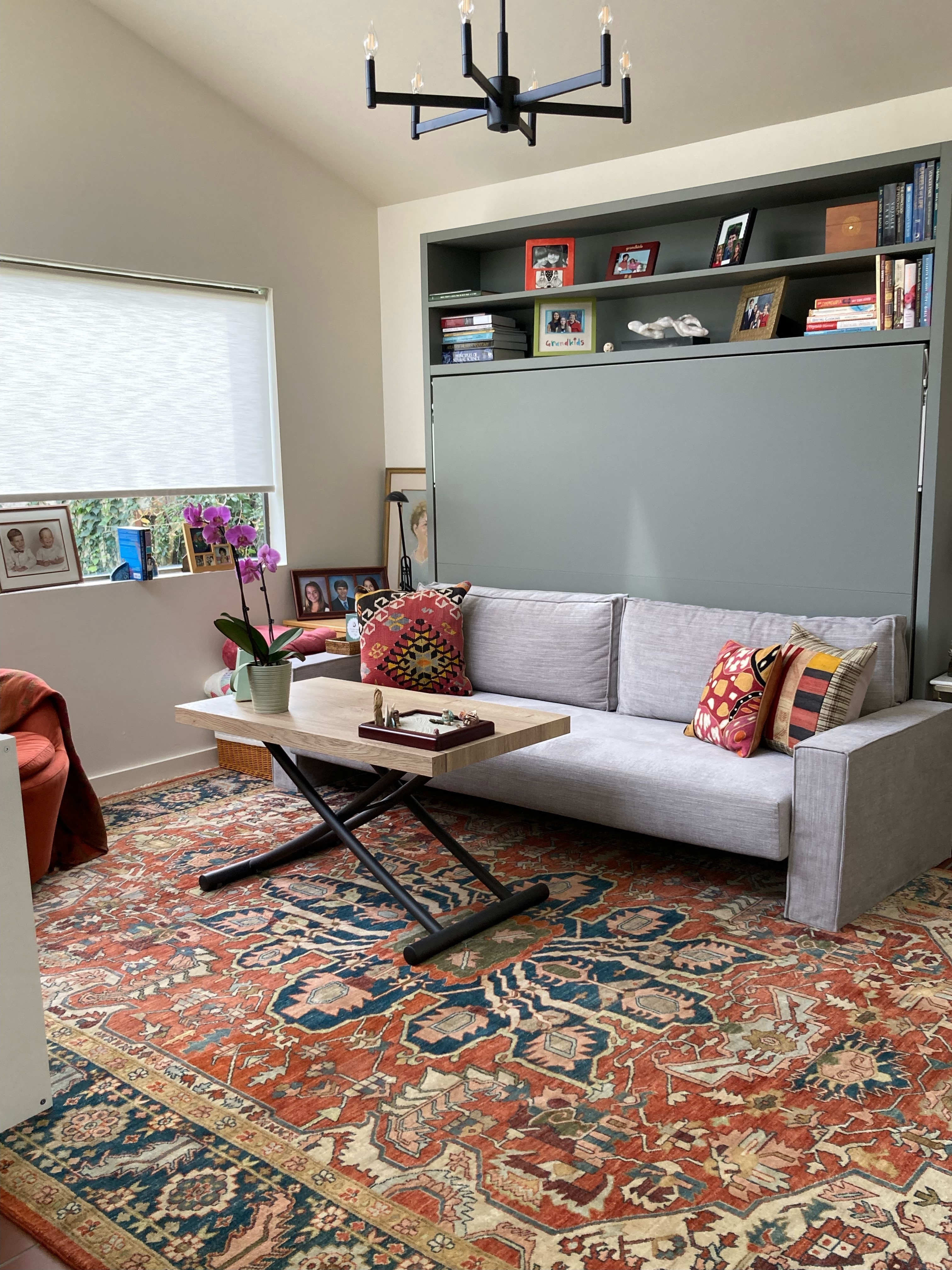
Photo from Dwell's tour of three California backyard ADUs. Dwell.
The listing said charming garden unit, the rent ran a couple hundred dollars under the block, and nobody mentioned that the last tenant split a water meter with the main house. Before you sign a lease on a California ADU, twelve quick checks separate a good backyard home from a slow legal headache, and the most important one is whether the unit holds its own certificate of occupancy.
The short version:
- A California ADU with its own certificate of occupancy is generally exempt from local rent control, and a newly built one can claim the state's 15-year new-construction exemption. A garage conversion without its own CO can inherit the main house's protections instead.
- Ask who holds the utility meters. If the unit is not separately metered, your lease should say in writing how gas, water, and electricity get split before you move in, not after the first bill.
- California's statewide cap limits annual rent increases to 5 percent plus local inflation, up to 10 percent, and requires just cause to evict after 12 months. Whether it covers your unit turns on the unit's paperwork, not the landlord's word.
Start with the paperwork, not the paint
You are touring the finishes. Tour the file first. The one document that decides your rights is the certificate of occupancy, the sign-off the city issues when a unit is legal to live in. Ask the landlord for it, or for the final permit card, before you fall for the light. A unit built new with its own CO is usually outside local rent control, and under California's statewide law, Civil Code Section 1947.12, housing with a certificate issued in the last 15 years is exempt from the rent cap altogether. That cuts both ways. It can mean a well-built, code-compliant unit, and it can mean fewer guardrails on what your rent does next year. As we laid out when we walked through what California tenant law actually says about renting an ADU, the CO is the hinge the whole question swings on.
Follow the meters
The second question is duller and saves more money: who pays for the utilities, and how is that measured. Many ADUs, especially converted garages, are not separately metered. That is legal, but it means your gas, water, and electricity ride on the main house's bill and get divided by some method the two of you agree on. Get the method in the lease. A flat monthly add-on, a fixed percentage, a submeter reading, any of them can be fair, but a handshake is not a number, and the first hot August in an uninsulated garage is a bad time to start negotiating.
The owner probably lives here too
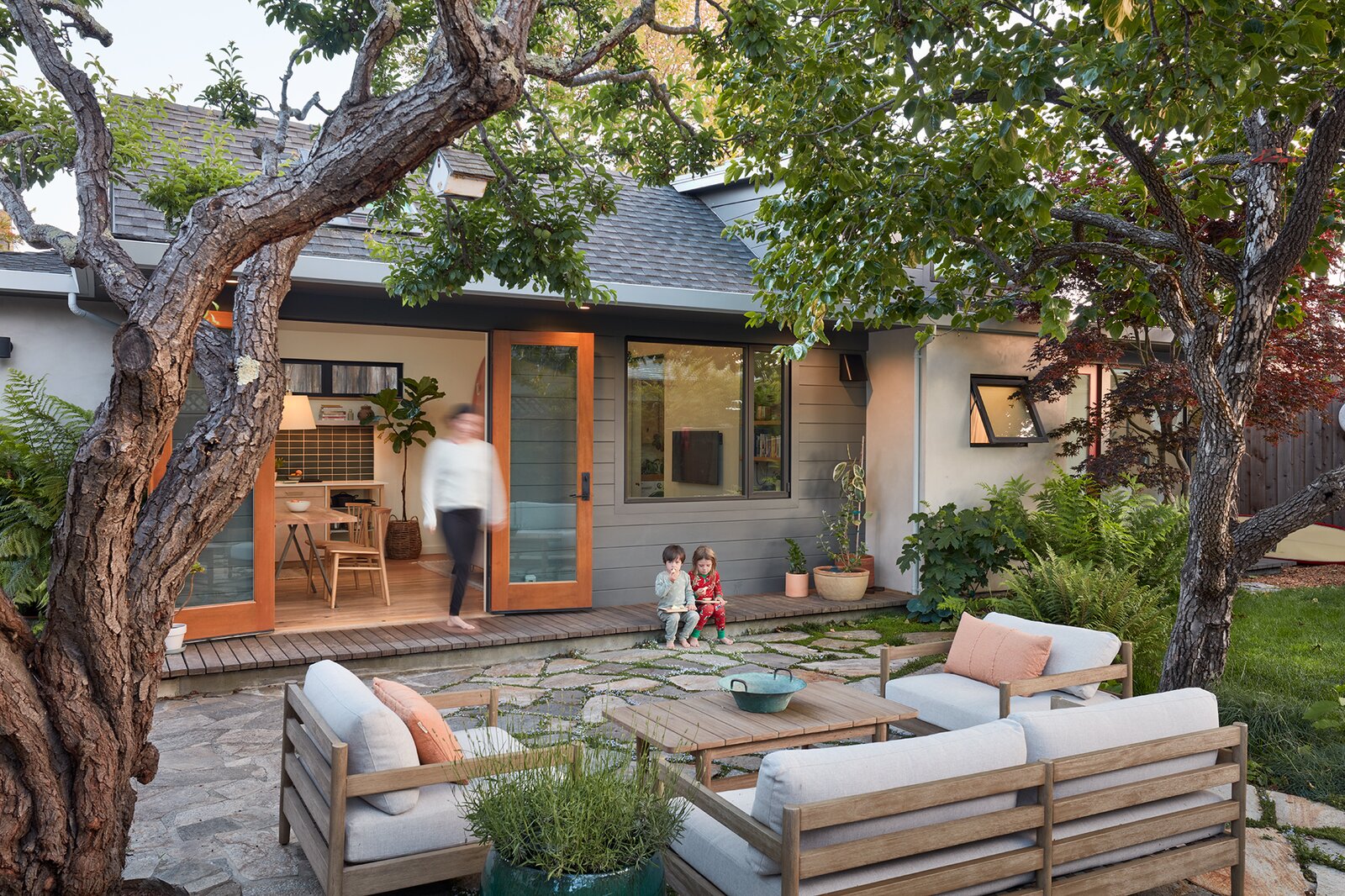
If you are a first-time ADU tenant, this is the part the apartment years did not prepare you for: your landlord is often ten steps away, on the same lot, sharing the same yard. For a junior ADU, a unit carved out of the existing house, state law requires the owner to live on the property when the JADU shares a bathroom with the main house, so in that case their presence is not a quirk, it is a condition of the unit existing at all. Ask the honest questions on the tour. Where does your parking go, and is it yours or shared. Where are the trash bins. Is the yard shared, and if so, when. None of this is a dealbreaker. Plenty of people love the arrangement. In Dwell's tour, one renter downsized from a 2,000-square-foot house to a 360-square-foot Berkeley unit specifically to be near family and called it a fair trade. But you want the boundaries drawn before you move the couch, not after.
Where people get stuck
The trap is the almost-legal unit. In that same Dwell piece, a homeowner describes the story she told herself about her backyard studio: "The lie I told myself was that it was basically an ADU, it just needed a few tweaks." The tweaks became an eight-month renovation. As a tenant you are on the other end of that story, and the risk is renting a space that was never actually permitted as a dwelling. An unpermitted unit can leave you without the protections you assumed you had and, in the worst case, subject to a red-tag that forces you out. If the landlord cannot produce a CO or a permit history, treat charming as a warning label. The just-cause eviction protections in Civil Code Section 1946.2 only help you once the unit is on the right side of the paperwork.
The cross-street check. The same backyard unit carries different rights in each of our three metros, and the trigger is different too. In Los Angeles, a new ADU with its own CO usually skips the Rent Stabilization Ordinance, which is why the main house and the ADU on one parcel can carry different rules. In San Francisco, the fork is the program the unit was built under: a Waiver-track ADU is rent-controlled for the life of the unit, while a No-Waiver, state-program unit is not, though eviction protections can still apply. In New York City, the closest analog is a basement unit in the legalization pilot, where the paperwork to ask about is the Authorization for Temporary Residence, not a CO, and the tenant protection that has no California equivalent is the right of first return if legalization work forces you out. We built the NYC version of this checklist for exactly that regime.
The 12 checks, in order
Print this, or screenshot it for the tour.
- Does the unit have its own certificate of occupancy or final permit sign-off?
- Is it separately metered for gas, water, and electricity? If not, how is each split, in writing?
- What is the unit's rent-control status, and what document proves it?
- Which parking is yours, and is it deeded or shared?
- Is the yard shared, and on what terms?
- Where is the legal entrance, and is there a second way out in a fire?
- Do the smoke and carbon monoxide alarms work, and are there enough of them?
- How does heating and cooling work, and who pays to run it?
- Is there real ventilation and daylight, or is this a windowless conversion?
- Is the owner on the lot, and what does that mean for privacy and quiet hours?
- What is the deposit, and what are the documented conditions for getting it back?
- Who do you call at 11 p.m. when the one bathroom backs up?
Our read: the certificate of occupancy tells you more about your rights than anything the landlord will say out loud, so make it the first thing you ask for and the last thing you compromise on. A beautiful unit with clean paperwork is worth waiting for. A beautiful unit with no paperwork is a countdown.
If you are hunting for a backyard unit and want to start with rentals that are actually legal and listed, A-du's rental map is a cleaner place to begin than scrolling a listings feed and guessing.
None of these twelve questions is hard to ask. The only hard part is asking them while you are standing in a sunny room you already want to live in, which is exactly why you write them down before the tour.
Elsewhere on the ADU beat
- New CalFire fire-hazard maps push more of Los Angeles County into very-high severity zones, reshaping what rebuilds and backyard units must build to, via LAist.
- San Diego adopted a package of ADU reforms, including a new Community Enhancement Fee on bonus and affordable units under 750 square feet, via Inside San Diego.
- New York City published proposed rules for its basement and cellar apartment legalization pilot, spelling out who can apply and by when, via 6sqft.