Who Pays the ADU Power Bill? In California, the Meter Decides.
Chris Koss, AIA|Published: August 14, 2026
Last updated: September 25, 2026
Renting out a California ADU means deciding who pays for water, gas, and power. If the unit shares a meter with the house, state law forces a written arrangement, and an over-billed tenant can sue to get the money back.

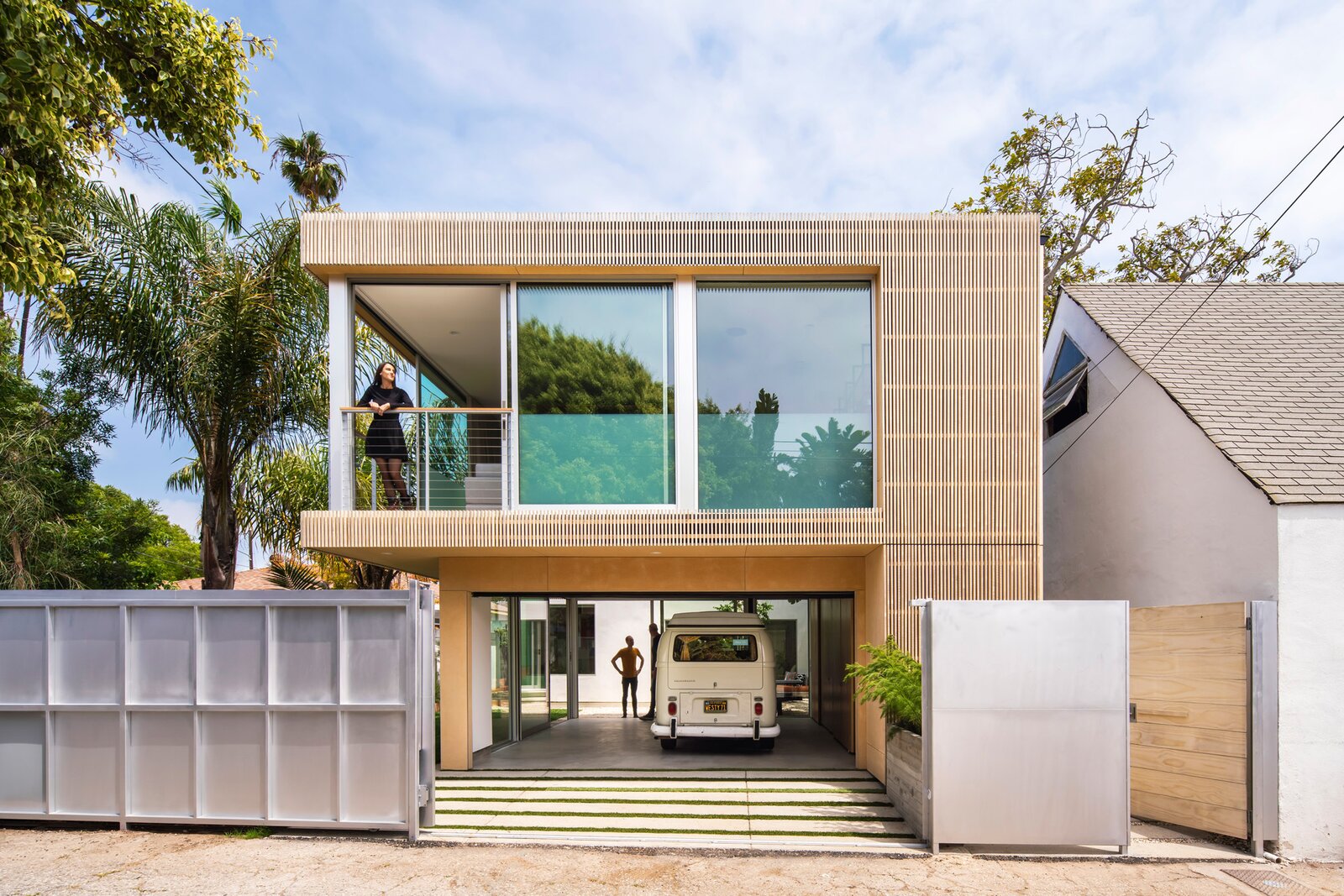
Utilities are the quiet line item in every ADU lease, and the one nobody drew on the plans. Photo via 3C-REN.
You built the accessory dwelling unit, found a tenant, and signed a lease that covers rent, the deposit, and the dog. Then the first water bill lands, and it lands on one account for two homes. In California, a new ADU on a shared water meter likely falls under the state's water submeter rule, and if it draws gas or electricity through a meter that also feeds the main house, Civil Code Section 1940.9 requires you to disclose that in writing before the tenancy and to agree, on paper, who pays for the overlap.
The short version:
- A new California ADU gets no exemption from the SB 7 water submeter rule. The state housing department says a new ADU on the main house's master water meter likely needs a submeter, which also gives you a clean number to bill from.
- If the ADU's gas or electric meter also serves the main house, or the house meter serves the ADU, Civil Code 1940.9 makes you disclose it in writing and agree who pays, before move-in.
- Skip that disclosure and the tenant can sue to be reimbursed for every dollar they paid toward the rest of your property, running back to the day the duty arose.
First, count the meters you actually have
Three utilities, three separate questions. A new detached ADU usually gets its own electrical subpanel, sometimes its own service drop. Water and gas are the ones that quietly stay shared, because trenching a second water lateral to the street or pulling a second gas meter is the expensive part of the job, and it is the part a builder will offer to skip.
Water is where California does not give you the break you might expect. SB 7, the 2016 law that requires submeters in newly built multifamily housing, lists its exemptions, and ADUs are not among them. The state green building code, CALGreen Section 4.303.2, carries the submeter rule forward, and the state housing department has said a new ADU that shares a master water meter with the main house is likely not exempt. So plan on a water submeter for a rented backyard unit on a shared line. That is less a burden than a tool: it gives you a clean number to bill the tenant for water, instead of a single reading for the whole lot.
From the text: the shared-meter rule
The gas and electric side is governed by a sentence most owners have never read. Here is the operative language, verbatim:
If the landlord does not provide separate gas and electric meters for each tenant's dwelling unit so that each tenant's meter measures only the electric or gas service to that tenant's dwelling unit and the landlord or his or her agent has knowledge that gas or electric service provided through a tenant's meter serves an area outside the tenant's dwelling unit, the landlord, prior to the inception of the tenancy or upon discovery, shall explicitly disclose that condition to the tenant and shall do either of the following: (1) Execute a mutual written agreement with the tenant for payment by the tenant of the cost of the gas or electric service provided through the tenant's meter to serve areas outside the tenant's dwelling unit. (Cal. Civ. Code Section 1940.9(a))
Read it against a real ADU. The tenant's meter runs the backyard unit, and it also runs the porch light, the driveway, and the irrigation timer for the main house. That is service to an area outside the tenant's dwelling unit. The statute now requires two things: you disclose it before the lease starts, and you either sign a written agreement about who pays for the overflow or become the customer of record yourself. There is no version where you say nothing and let the tenant eat it.
Where people get stuck
The trap is the meter you did not know crossed the line. Owners discover it during a dispute, not a design review: the tenant asks why the electric bill on a 600 square foot studio reads like a three bedroom, and the answer is that the pool pump has been on the ADU circuit since 1998. Section 1940.9 gives that tenant teeth. If you never disclosed, the court can order you to become the customer of record and to reimburse the tenant for the outside usage, back to the date the disclosure duty arose. That is not a fine. That is a refund with your name on it.
The fix is boring and cheap: before the tenant signs, walk every circuit and every valve, write down what each meter really serves, and put the split in the lease. If you are the owner, this is a one hour job now or a small-claims afternoon later.
The cost ledger
| Utility | Separate meter required? | If it stays shared, the law makes you |
|---|---|---|
| Water | Likely yes, a submeter, when the ADU shares the house's master water meter (CALGreen 4.303.2). | Disclose any allocation or ratio-billing method in writing before signing; you cannot bill a metered number you do not have. |
| Gas / Electric | No state mandate to add a second meter. | Follow Civil Code 1940.9: disclose the crossover and sign a written arrangement, or become the account holder. |
Translate the choice into money. A tenant who is quoted rent plus a flat, disclosed 40 dollar utility allocation knows their number and cannot be surprised. A tenant handed a mystery share of a lot-wide bill will, sooner or later, read Section 1940.9 and stop paying it. The cheap wiring decision at build time is the one that costs you a full tenancy of goodwill.
The cross-street check. Whether you can freely write a utility clause at all depends on the unit's legal status, and that is where the markets split. A brand new detached ADU with its own certificate of occupancy is generally outside the Los Angeles Rent Stabilization Ordinance and gets AB 1482's new-construction exemption, as we covered when we walked the certificate-of-occupancy test, so you have room to structure billing in the lease. Convert a garage instead and the unit can inherit the main house's rent-control coverage, where adding a utility charge the tenant did not have before can read as an unlawful rent increase or a reduction in services. San Francisco sharpens the point: a Waiver-track ADU is rent controlled for life, so a mid-tenancy utility pass-through there is a Rent Board question, not a lease question. In New York City, submetering a tenant's electricity generally needs Public Service Commission approval, and regulated units carry their own protections. Same appliance, same wire, four different answers depending on which regime the door opens into.
Our read: the cheapest utility setup at build time is almost always the most expensive one at lease time. Pay for the separate electric service and the water submeter while the trench is already open, or spend the next tenancy arguing about a bill nobody can cleanly split. If you are a tenant touring an ADU, ask one question before you sign: does this unit have its own meters, and if not, what does the lease say I am paying for. We put that on our California ADU tour checklist for exactly this reason.
If you would rather not draft the utility clause yourself, the property managers on A-du's manager marketplace write ADU leases that put the meter arrangement in writing before a tenant ever asks.
California keeps tightening the rules on billing tenants for shared utilities, and none of the recent motion has run toward less disclosure. Wire the ADU as if a regulator will one day read the lease, because on the day a tenant is unhappy, one will.
Elsewhere on the ADU beat
- The federal 21st Century ROAD to Housing Act, which became law in July without the President's signature, now lets FHA-insured property-improvement loans fund ADU construction and lets HUD fund local governments that adopt pre-reviewed housing designs, ADUs among them, per the Bipartisan Policy Center.
- Los Angeles Unified's school developer fee rose to California's new Level 1 maximum of 5.38 dollars per square foot on August 11, per the district's impact fee office; the State Allocation Board set that maximum on January 28, in the inflation adjustment state law allows every even-numbered year, reports Lozano Smith.
- San Diego's tightened ADU Bonus Program caps still await California Coastal Commission certification before they apply in the coastal zone, notes Inside San Diego.