California ADU Law Doesn't Reach Condos, Carlsbad Court Rules
Chris Koss, AIA|Published: June 28, 2026
Last updated: October 1, 2026
A San Diego County judge ruled that California's 2019 ADU protections don't apply to condo developments or mixed-use zoned lots. The Carlsbad case cost one homeowner $100,000 and ends with a loss.
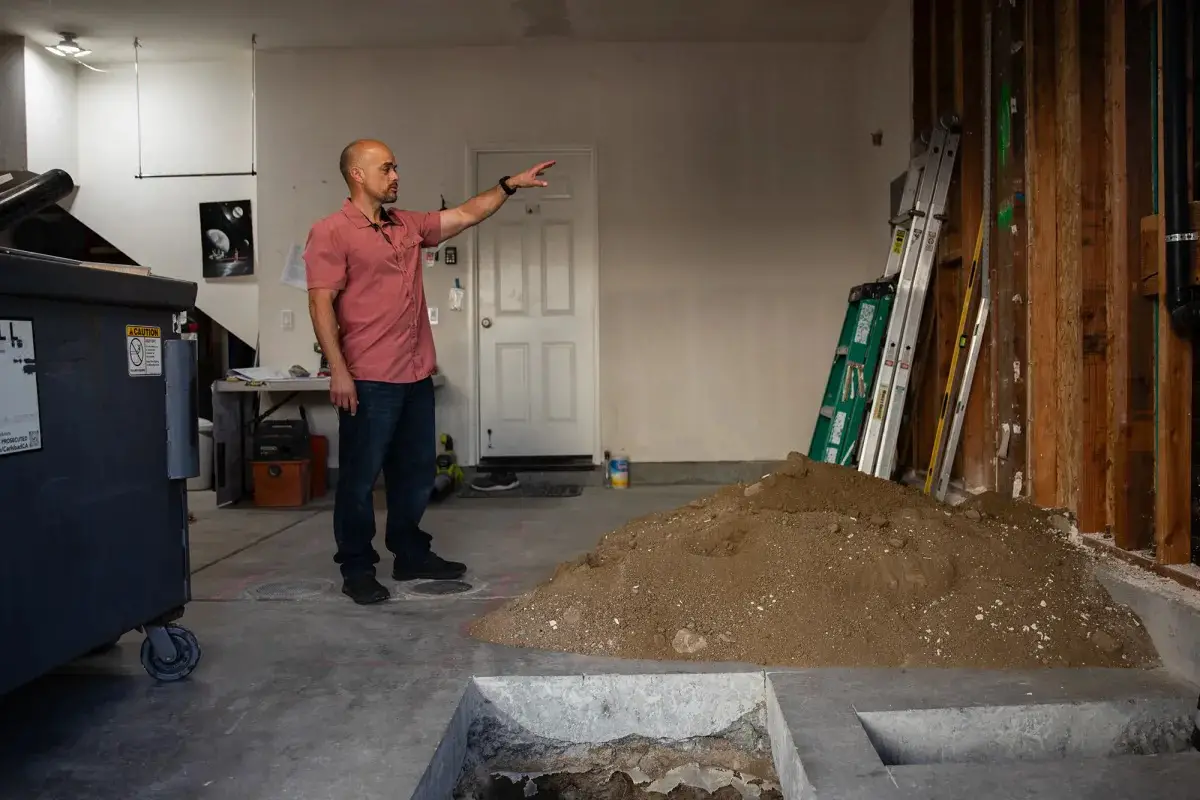
Reporting by Ben Christopher for CalMatters, republished by The Coast News Group.
A San Diego County judge ruled on April 3, 2026 that California's ADU preemption laws do not apply to condo developments or to lots with mixed residential zoning. The ruling ended Adam Hardesty's year-long legal fight to convert his Carlsbad garage into a rental unit. Hardesty had spent more than $100,000 in construction costs and legal fees on the project before Superior Court Judge Victor Torres sided with the Mystic Point Homeowners Association on both counts the HOA raised. If you own a condo in California and assumed the decade of state housing reforms cleared the path for you to add a unit, this ruling says otherwise.
What happened
Hardesty lives at Mystic Point, a condo community in Carlsbad. He wanted to convert his attached garage into a rental accessory dwelling unit. The logic seemed sound: California has spent the past ten years systematically cutting local governments off from blocking ADU applications. Hardesty believed that protection extended to his HOA as well. The state's own Housing and Community Development department agreed with his reading.
The Mystic Point HOA disagreed. Its governing documents prohibit using garages for anything other than vehicle storage. When Hardesty broke ground anyway, the HOA sued. The association argued two points: first, that the ADU preemption laws were never written to cover condo developments; second, that the laws only protect areas "zoned for single-family residential use," and Mystic Point is zoned to allow townhomes and small condos alongside single-family homes.
Judge Torres sided with the HOA on both counts. His ruling found that if the Legislature had intended to include condos in the ADU preemption framework, it "could have easily made that language more explicit" and "did not." On the zoning question, applying the law to a mixed-use residential parcel "would be contrary to the legislative intent." Torres acknowledged the complexity directly: "I wish I had a stronger feeling one way or the other." He also said he expected to "hear more education from the Court of Appeal at some point," a candid signal that he views the matter as unresolved.
Why the gap in the law exists
California's legislature has spent the better part of a decade preempting local ADU restrictions: shorter permit timelines, lower fees, reduced parking requirements, loosened owner-occupancy rules. The political logic is familiar: cities were using their discretion to block housing, so Sacramento removed the discretion. What it did not fully resolve is how those preemptions interact with HOA governing documents.
HOAs are not local governments, and they are not purely private contracts. They occupy a legal gray area. More than one-third of California residents live in HOA-governed properties. For that group, the question of whether state ADU law actually protects them is not settled.
The California Department of Housing and Community Development's ADU handbook covers permit clocks, fee caps, and owner-occupancy exemptions in solid detail. It is built around the single-family lot model. The HOA and condo context involves different statutes, including California Civil Code Section 4751, which restricts HOA prohibitions on ADU construction. The Carlsbad ruling found that even those statutes have scope limits the Legislature left ambiguous.
What this means if you own a condo in California
If you are a condo owner thinking about an ADU, the Carlsbad ruling clarifies a few questions you need to answer before spending anything.
What is your lot's zoning designation? If the parcel is zoned exclusively for single-family residential use, state preemption statutes apply more clearly. If the zoning also accommodates townhomes, small apartments, or other residential types alongside yours, Torres's ruling gives your HOA a stronger argument that state law does not reach it.
What do your CC&Rs say specifically? Hardesty's HOA documents explicitly prohibited non-vehicle use of garages. A governing document that directly addresses the type of conversion you want is a real obstacle, even where state law appears to be on your side. Know what yours says before you hire a designer or pull a permit.
How does AB 956 change this? AB 956, introduced in 2025 and signed by Governor Newsom on September 29, 2026, rewrites the HOA rule in Civil Code Section 4751 so that, starting January 1, 2027, it covers lots "zoned to allow single-family residential use" instead of lots "zoned for single-family residential use," the zoning language behind one of the HOA's two wins here. It was still pending when this ruling came down. The Carlsbad case was decided under the older 2019 framework. Hardesty cannot afford to appeal. The next condo owner who does will set the precedent that matters under current law.
The HCD sided with Hardesty throughout this dispute. That is worth noting: the state's own housing enforcement agency believed the law protected him, and the Superior Court disagreed. If you are planning a garage or attic conversion inside a condo development, you need a real estate attorney who understands HOA governing documents alongside your designer and permit consultant.
What to watch next
Torres's comment about the Court of Appeal is a signal that an appellate ruling is likely at some point. Hardesty wants to appeal but describes himself as "bone dry" after $100,000 in costs. Housing advocacy groups and developers watching California's HOA-ADU conflict may eventually back a better-financed test case. That future case will settle whether the Carlsbad ruling stands or gets reversed.
The Legislature has also acted, partway. AB 956, the bill described above, answers the zoning argument Mystic Point won; Governor Newsom signed it on September 29, 2026, and it takes effect January 1, 2027. It does not add language about condominium developments, so the other half of Torres's ruling, that the ADU protections were never written to cover condos, is still open. If you own or plan to buy a condo in California, the next appellate test case is the one to watch.
If you are evaluating your ADU options in California, A-du's permit fee calculator gives you a working estimate of permit costs in your jurisdiction. The HOA layer this ruling flags is a separate question your attorney needs to answer, but the permit math is a useful starting point.