San Diego Capped Its ADU Bonus. A 136-Unit Project Shrank to 125.
Chris Koss, AIA|Published: August 8, 2026
Last updated: September 25, 2026
San Diego's ADU bonus once let a developer stack 136 units on two Pacific Beach lots. After a court injunction and a citywide cap, the project shrank to 125, and the neighbors are still suing.
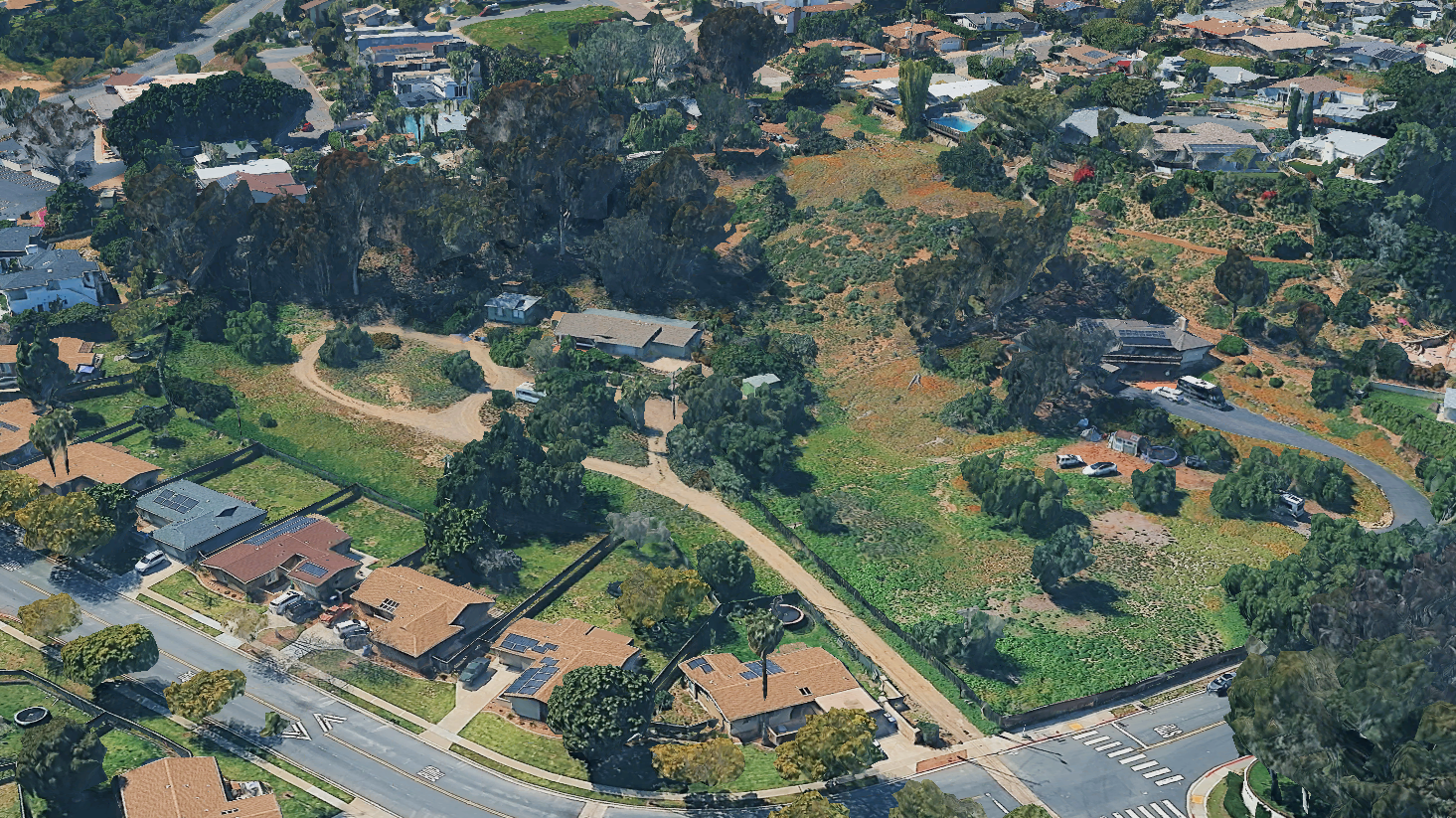
Photo of the Chalcifica property, courtesy of Infill Innovation. Times of San Diego.
Two ordinary Pacific Beach lots were supposed to hold 136 rental homes, and according to the neighbors suing over the project, the developer advertised its studios there at $3,000 a month for less than 500 square feet. San Diego's ADU Bonus Program made that math legal by removing any ceiling on how many accessory units a single lot near transit could hold. That one design choice has now been rewritten by the City Council, halted by a judge, and, as of late July, shrunk by the developer itself to 125 units.
The short version:
- San Diego's ADU Bonus Program lets one deed-restricted affordable unit earn one market-rate "bonus" unit, and inside a transit zone (the code now calls it a Sustainable Development Area) it set no limit on the total number of units per lot until the 2025 reforms capped single-family-zoned lots.
- The 136-unit Chalcifica project on two Pacific Beach parcels became the program's flashpoint. A Superior Court judge halted it in December 2025, and that order still stands.
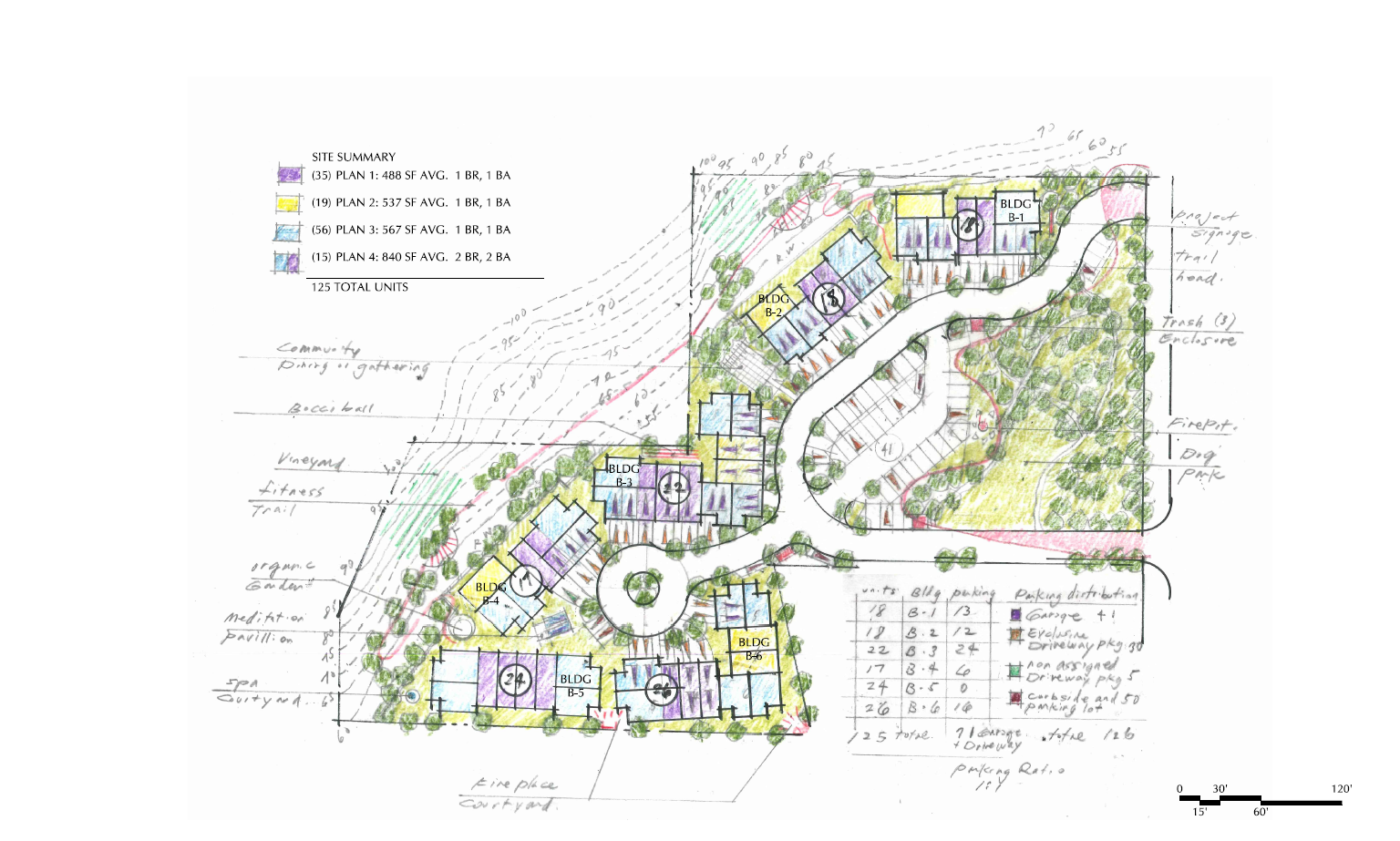
- The City Council capped bonus projects by lot size in June 2025 and added fees, parking, and fire rules. The developer's July 2026 redesign drops the count to 125 units in six buildings and raises parking from 70 spaces to 126.
If you are a San Diego homeowner weighing a bonus ADU, or just an owner trying to read where this program is headed, the Chalcifica fight is the clearest map you will get of the guardrails going up around it.
From the text
The rule that made a 136-unit plan buildable on two lots is not buried. The City states it plainly in its own description of the program under Municipal Code section 141.0302:
Within Transit Priority Areas (TPA) one bonus ADU may be permitted in exchange for every affordable ADU and there is no limit to the total amount of ADUs.
Read that twice. One affordable, deed-restricted unit, held affordable for 15 years, buys the right to build one market-rate unit. Near transit, you could repeat that trade with no cap. (The page still says Transit Priority Area; the amended code calls the zone a Sustainable Development Area, measured by walking distance to a major transit stop, and since 2025 it caps single-family-zoned lots at four to six ADUs and JADUs.) Stack it across two adjoining parcels and 136 units stops being a loophole and starts being the plain reading of the code. We walked through the underlying money math two weeks ago; Chalcifica is what that math looks like at full volume.
What the City changed
On June 16, 2025, the City Council approved a package of 25 reforms to the ADU and JADU rules, and the ones aimed at the bonus program are the ones that matter here. The City now caps bonus projects with a maximum total unit count tied to lot size, roughly four to six units on a standard single-family lot depending on how big it is. It prohibits the bonus program outright in the lowest-density RS zones except in the city's high- and highest-resource areas. It requires two evacuation routes for bonus projects in high fire hazard zones, one off-street parking space per affordable and bonus unit outside transit areas, and a new Community Enhancement Fee on bonus units under 750 square feet.
The old rule was "no limit." The new rule is a number. That is the whole story of the reform in one sentence.
Who wins and who loses
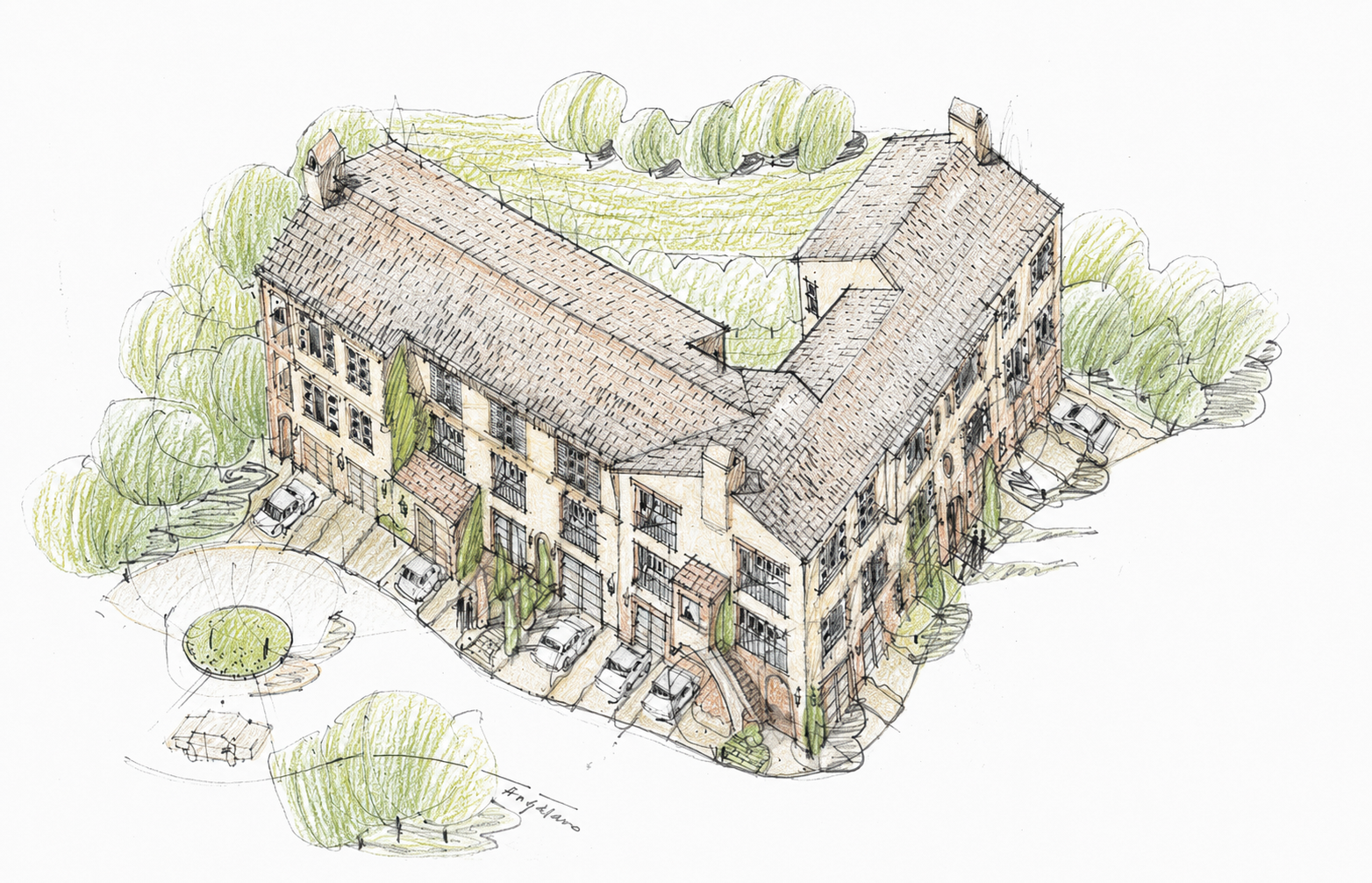
The developer, Infill Innovation (formerly SDRE), is trying to win by giving ground. Its July redesign, first shown to Times of San Diego, reconfigures the site into six buildings with 125 units, adds 56 parking spaces for a total of 126, and pulls construction back from what the company calls culturally sensitive habitat. "We want to turn the page from the past," CEO Brian Doyle said, noting that Christian Spicer, the developer once dubbed the king of San Diego's mega-ADUs, no longer works for the company though he remains a minority shareholder.
The neighbors are not buying it. "What Infill continues to propose is a disguised apartment complex at market rates posing as a cluster of granny flat ADUs," said Merv Thompson of Neighbors for a Better Pacific Beach, the group that sued the city and the developer in August 2025. Their legal argument is narrow and sharp: an ADU is by definition accessory to a residence, and the plans show no primary home, so the whole thing should not sail through as a ministerial, by-right approval. In December a judge agreed enough to halt the work, and the order holds today.
The people most easily forgotten are the ones the affordable set-asides were meant for. Every bonus project carried deed-restricted units held affordable for 15 years. When a flagship project stalls in court and draws a notice of default, as Chalcifica did this spring (the developer called the foreclosure without merit), those affordable homes do not get built either. That is the quiet cost of a fight that looks, from the street, like it is only about parking and scale. If you are a would-be tenant, the unit's legal status, ADU or apartment, decides which tenant protections you get, so it is worth knowing which one you are actually renting.
The cross-street check. San Diego is close to alone in letting ADUs stack like this. In Los Angeles, there is no density bonus that multiplies accessory units the way San Diego's does; an LA single-family lot generally gets the state defaults, one converted ADU, one detached ADU and one junior ADU, which is why you do not see 100-unit ADU farms in Mar Vista. Washington went the other direction and wrote the ceiling into state law: its HB 1337 requires cities to allow two ADUs per lot, and two is the number, bonus or not. San Diego built the most generous ADU incentive in the country and is now spending 2025 and 2026 learning to live with what it created. It is not the first San Diego ADU dispute to reach a judge, either; a Carlsbad HOA case tested the edges of state ADU law earlier this summer.
What to watch
Two things. First, the Coastal Zone. Pacific Beach sits inside it, and the City's reforms take effect there only once the California Coastal Commission certifies them, which the City expects during 2026. Until then, coastal bonus projects live in a gap between the old rules and the new ones. Second, the ministerial question. If the neighbors win the argument that a cluster of ADUs with no primary residence cannot be approved by-right, that reasoning would reach well beyond one project in Pacific Beach.
Our read: the cap arrived a full program cycle too late. By the time the City wrote a number into the code, the incentive had already drawn in the projects, the investors, and the lawsuits that are now grinding through the courts, plus Chalcifica's fight with its lender. The reform fixed the rule going forward; it did not, and could not, unwind Chalcifica. Expect the next fight to be less about how many units the code allows and more about whether stacked ADUs with no house on the lot are ADUs at all.
If you are sizing up what San Diego's tightened bonus rules now allow on your specific lot, A-du's build marketplace is a straightforward place to line up plans and permit help against the current numbers.
The redesign hearing and the Coastal Commission certification are both still ahead, so the number on these two lots, 125 today, may not be the last one.