California Made Every City Pre-Approve ADU Plans. Check Yours.
Chris Koss, AIA|Published: August 12, 2026
Last updated: September 25, 2026
A 2023 state law ordered every California city to pre-approve ADU plans and post them online, promising a 30-day permit. A year on, one city posts 37 designs while another just let its catalog expire.
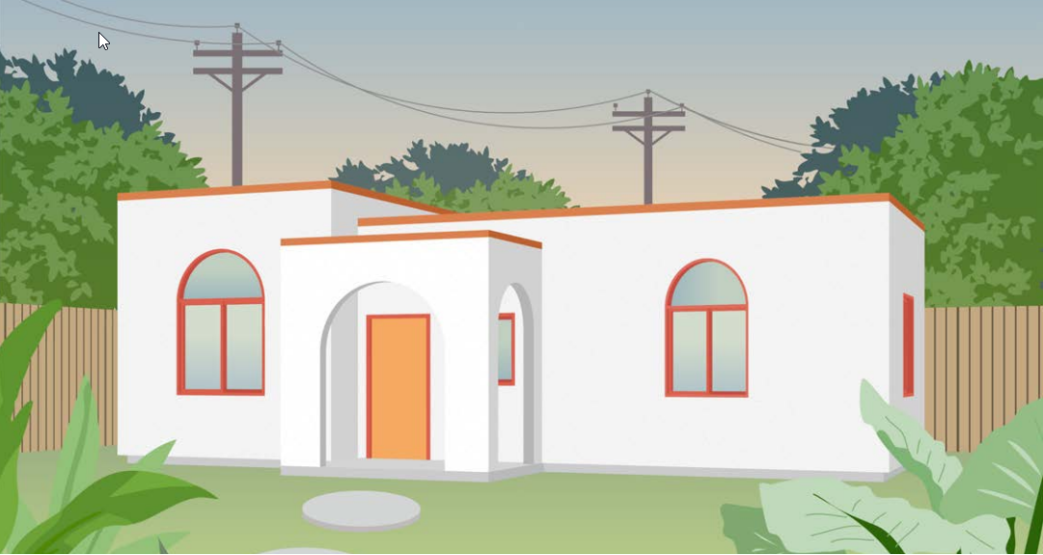
A pre-approved standard-plan ADU design from a California city catalog. City of Pasadena Planning.
In 2023, California told every city in the state to keep a shelf of pre-approved ADU plans a homeowner could pull down and build, and to promise a permit decision in 30 days if you used one. The law is AB 1332, and the reward it dangles is real: a detached ADU built from a plan the city already blessed gets a decision in 30 days instead of the several months a custom set can wait through plan check. Here is the catch nobody mentions. Those plans expire.
The short version:
- AB 1332 required every California local agency to run an ADU plan pre-approval program by January 1, 2025, post the approved plans online, and rule on a pre-approved detached ADU within 30 days.
- The 30-day clock only applies to a plan approved within the current triennial California Building Standards Code cycle, so the new code that took effect January 1, 2026 quietly reset the catalogs.
- Compliance is uneven: San Jose listed 37 pre-approved plans from 21 providers at a May 2026 count, while Pasadena's standard plans expired December 31, 2025 and Long Beach is taking designer submittals for a second round of its program.
What the law actually promises
Start with what you are owed. AB 1332 added Section 65852.27 to the Government Code, and it is short and blunt about the obligation.
Each local agency shall, by January 1, 2025, develop a program for the preapproval of accessory dwelling unit plans... A local agency shall approve or deny an application for a detached accessory dwelling unit... within 30 days... if the application utilizes... a plan for an accessory dwelling unit that has been preapproved by the local agency. Gov. Code Section 65852.27
Two things follow. First, the program is a mandate, not a favor: your city has to accept plan submissions from anyone, approve the ones that pass, and post them with the designer's contact information. Second, the fast lane is conditional. The 30-day decision only attaches to a plan the city approved within the current triennial California Building Standards Code rulemaking cycle. California rewrites that code every three years, and the latest edition took effect January 1, 2026. Plans blessed under the old code fell out of the fast lane the same day. Thirty days is half the standard 60-day ministerial clock, close to a single mortgage-rate lock, and that is the prize the code cycle can quietly take back.
The steps, and where people get stuck
If you are a first-time ADU client, the pre-approved route runs like this. You open your city's ADU plan page, you pick a posted design that fits your lot, you contact the listed provider to license the construction drawings, and you file for a building permit citing the pre-approval. Do it right and the permit can land in about a week, the way San Jose's program advertises, rather than the months a from-scratch review can take. We walked the city-by-city menu in detail when we compared the programs side by side.
Where people get stuck. The catalog looks permanent and is not. A plan you bookmarked in November can drop off the site in January because the code cycle turned, and the city has to re-approve it against the new standards before the 30-day clock comes back. Pasadena is the clean example: its standard plans expired December 31, 2025, and for now the city only lets them be used for homes red-tagged by the Eaton Fire. (As of September 2026, Pasadena has also posted one plan updated to the 2025 code, a 374-square-foot studio, for use on most single-family lots citywide.) San Jose, by contrast, keeps a live list, which held 37 plans at a May 2026 count. Same law, two very different shelves.
The cost ledger
Pre-approved does not mean free, and it does not mean the city waives its own charges. AB 1332 lets a city charge whoever submits a plan for pre-approval the same permitting fees it would charge for a same-sized ADU, and nothing in it waives your own permit fees when you build from that plan, so the savings sit in time and design, not in the permit invoice. Budget three buckets: the license fee the plan's designer charges to hand you the construction drawings, your city's ordinary permit and plan-check fees, and the site-specific work no catalog can skip, such as a soils or foundation detail on a real lot. What the pre-approval buys is the 30-day clock and a set of drawings that already cleared code, which is worth the most to an owner who would otherwise pay an architect for a full set. We ran that math when we asked when the catalog beats a custom architect.
The cross-street check. California is the only state that orders every one of its cities to run this program, which is why the shelves vary so much block to block. New York City took the opposite path: instead of hundreds of municipal catalogs, it built one centralized ADU for You library of 11 DOB-reviewed designs, and a New York owner still needs a licensed architect to file. Washington has no statewide pre-approval mandate at all; individual cities such as Seattle, Tacoma, and Olympia publish their own pre-approved DADU plans under the general framework of HB 1337, so a Washington homeowner's shelf depends entirely on the city, with no state clock behind it. The California promise is broader and, on paper, faster. It also has more places to break.
Our read: the mandate produced a catalog in every city, but a catalog nobody re-approves when the code turns is a promise, not a plan. The distance between San Jose's 37 live designs and a program that lapsed on New Year's Day is exactly where a permit timeline is won or lost, so the first thing to check is not which plan you like but whether your city's list is current for the 2026 code.
If you are comparing pre-approved designs across a few cities before you commit, you can line them up by size, bedroom count, and provider on A-du's build marketplace.
Watch the next code cycle, too: the plans re-approved through 2026 set the menu you will actually build from in 2027, and the cities that rebuild their shelves fastest are the ones worth calling first.
Elsewhere on the ADU beat
- Seattle raised its ADU height limit to 32 feet, clearing the way for two-story backyard cottages, The Urbanist.
- New York City reopened its Plus One ADU program with up to $395,000 per household in loans and grants, NYC Mayor's Office.
- San Diego's tightened ADU Bonus Program still awaits Coastal Commission certification for its coastal zones, Inside San Diego.