Renting a Portland ADU? The 9.5% Rent Cap Often Skips You
Chris Koss, AIA|Published: July 30, 2026
Oregon caps 2026 rent increases at 9.5 percent, but the law exempts any home whose certificate of occupancy is under 15 years old. Most Portland ADUs are that new, leaving their renters no ceiling at all.
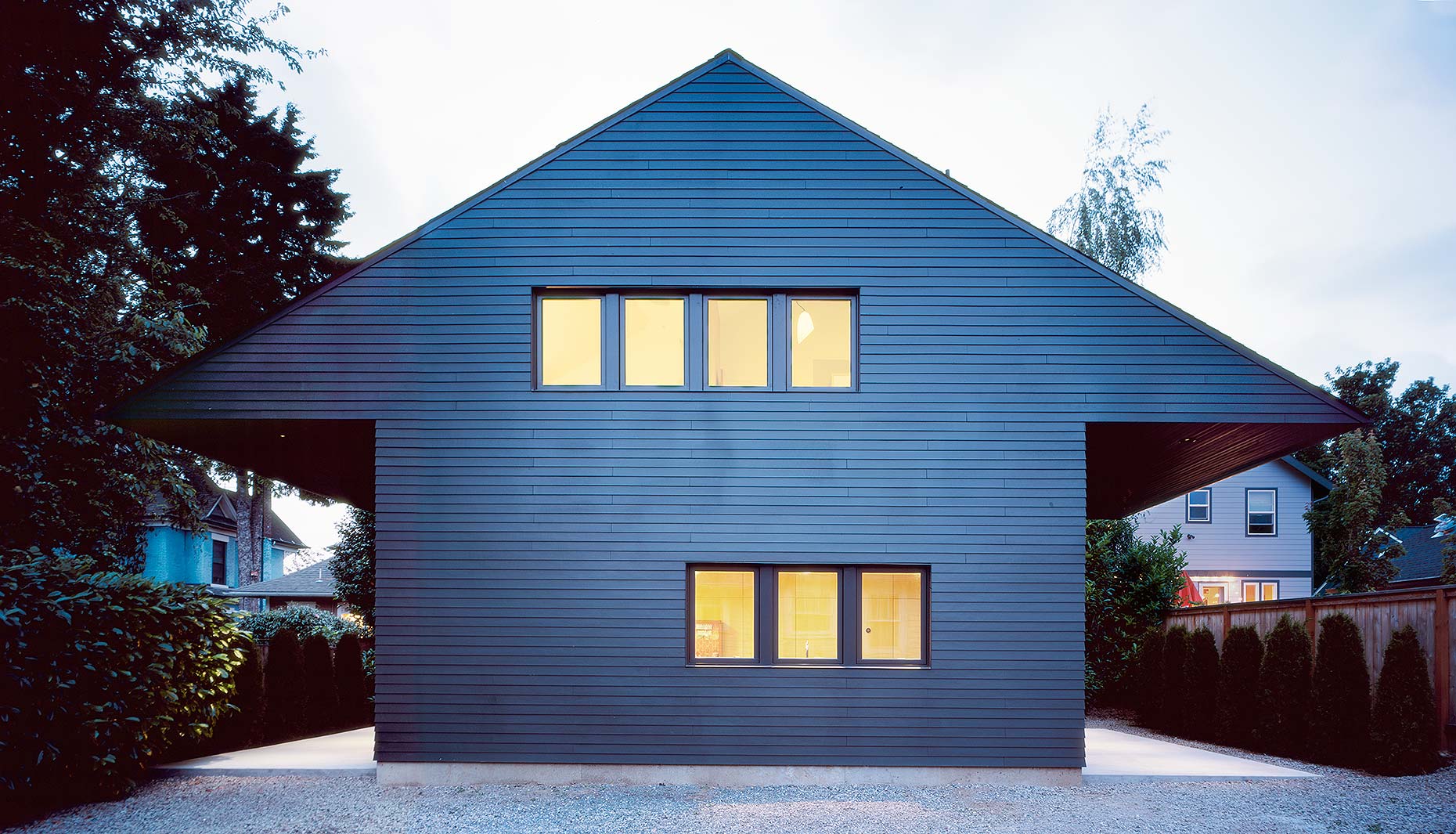
Waechter Architecture's Garden House, a detached ADU in Portland. Photo via Archello.
You sign a lease on a backyard cottage in Southeast Portland, and somewhere in your head sits the number every Oregon renter has heard: the state caps how much your rent can climb each year. For 2026 that ceiling is 9.5 percent, set by the Department of Administrative Services under ORS 90.324, down from 10.0 percent in 2025. Here is the part the number hides: the cap does not apply to a home whose first certificate of occupancy is less than 15 years old, and most ADUs are exactly that new.
The short version:
- Oregon's 2026 maximum rent increase is 9.5 percent for covered units, calculated as the lesser of 10 percent or 7 percent plus regional inflation.
- Any dwelling whose first certificate of occupancy was issued less than 15 years ago is exempt from that cap, so a rent increase on a new ADU has no percentage ceiling at all.
- The just-cause eviction rules and the 90-day notice requirement still protect you after 12 months, exemption or not. The cap and the eviction shield are two different protections.
The number, and the hole in it
Start with the figure, because it is the one thing renters remember. Oregon's Office of Economic Analysis publishes a single statewide percentage every September for the following year. For 2026 it landed at 9.5 percent. On a $2,000 ADU that is room for a $190 monthly jump, or $2,280 over a year, if your unit is covered.
The trapdoor is age. Read the statute and the exemption is not buried; it is right there in the operative sentence.
A landlord is not subject to subsection (2)(d) or (4) of this section if: (a) The first certificate of occupancy for the dwelling unit was issued less than 15 years from the date of the notice of the rent increase.
ORS 90.323(5)(a)
An ADU is a new dwelling unit with its own certificate of occupancy, issued the year it was finished. A cottage completed in 2024 does not shed that exemption until 2039. So if you are a tenant touring a freshly built backyard unit, the honest read is that the 9.5 percent cap you were counting on almost certainly does not cover you yet. The landlord can raise your rent by any amount, subject only to the 90-day notice.
What still protects you
The exemption is narrow. It switches off the percentage cap and nothing else. After your first 12 months, ORS 90.323 still forces the landlord to give 90 days written notice before any increase, and they cannot raise the rent more than once in a 12-month period. Separately, Oregon's just-cause rules mean that once you pass the one-year mark, a landlord needs a listed reason to end your tenancy, and a for-cause increase that violates the cap on a covered unit exposes them to three months' rent plus your actual damages. If you are renting, that combination matters more than the headline percentage: a landlord who wants a large increase on an exempt ADU still has to wait out the notice and cannot dress up a rent hike as a no-cause eviction.
This is the same tension we flagged in Los Angeles, where a new ADU with its own certificate of occupancy skips rent control for 15 years. Two units on one lot, the front house covered and the backyard cottage not, is now a West Coast pattern rather than a California quirk.
The cost comparison
The cross-street check. Oregon is no longer alone, and the three West Coast rent regimes now rhyme in a way that should make every ADU renter check a date first. Here is how the 2026 rules line up.
| State | Law | 2026 cap | New-construction exemption |
|---|---|---|---|
| Oregon | SB 608 / ORS 90.323 | 9.5% | First CO under 15 years |
| California | AB 1482 | 5% plus CPI, max 10% | First CO under 15 years |
| Washington | HB 1217 / RCW 59.18.710 | 9.683% | First CO under 12 years |
The caps differ by rounding error. The exemptions are the story. All three states wrote their rent laws to spare newly built housing, and an ADU is newly built housing almost by definition. A Portland renter is in the same position as a tenant in a new San Francisco in-law or a Seattle backyard cottage: the statewide cap exists, and your specific unit is probably outside it. Washington's line is 12 years rather than 15, which means a Seattle DADU crosses back under the cap three years sooner than its Portland cousin, a small mercy for a long-term tenant.
Our read: Oregon's cap is real protection for the older housing stock it was written around, but it was drafted to encourage exactly the construction that an ADU represents, so for a backyard-cottage renter the 9.5 percent number is less a shield than a coin flip on the certificate of occupancy. Ask for the date before you sign, not after your first renewal notice arrives.
The decision this changes
If you are a tenant weighing a Portland ADU, treat the certificate of occupancy date as a lease term. Ask the landlord when the unit was finalized and get it in writing; a unit from 2010 is covered today, a unit from 2024 is not. It does not have to kill the deal. A well-built ADU like the ones we toured in Portland's design pipeline can be a genuinely good place to live, and the just-cause and notice rules still travel with you. But price the unit knowing that the ceiling you assumed may not be there, and budget for a renewal that could, legally, ask for more than 9.5 percent.
If you want to see which Portland ADUs are on the market and confirm a unit's basics before you tour, A-du's rental map is a place to start.
Oregon reviews these percentages every year, and the new-construction window keeps sliding forward, so the cottage that is exempt in 2026 becomes a covered unit the moment its certificate of occupancy turns 15. Watch the date, not just the percentage.
Elsewhere on the ADU beat
- New York City's Department of Buildings finalized its rules for safe, code-compliant basement, cellar, and backyard ADUs, NYC Department of Buildings.
- Portland still waives System Development Charges for ADUs that stay off the short-term rental market for 10 years, a subsidy worth tens of thousands, City of Portland.