The LADBS Plan Is Free. The 750-Square-Foot ADU Is Not.
Chris Koss, AIA|Published: July 9, 2026
Last updated: September 25, 2026
Los Angeles gives away pre-approved ADU plans, and its YOU-ADU design is free. The plan is the cheap part. A 750-square-foot build still runs past $250,000, and your tape measure decides whether fees pile on.
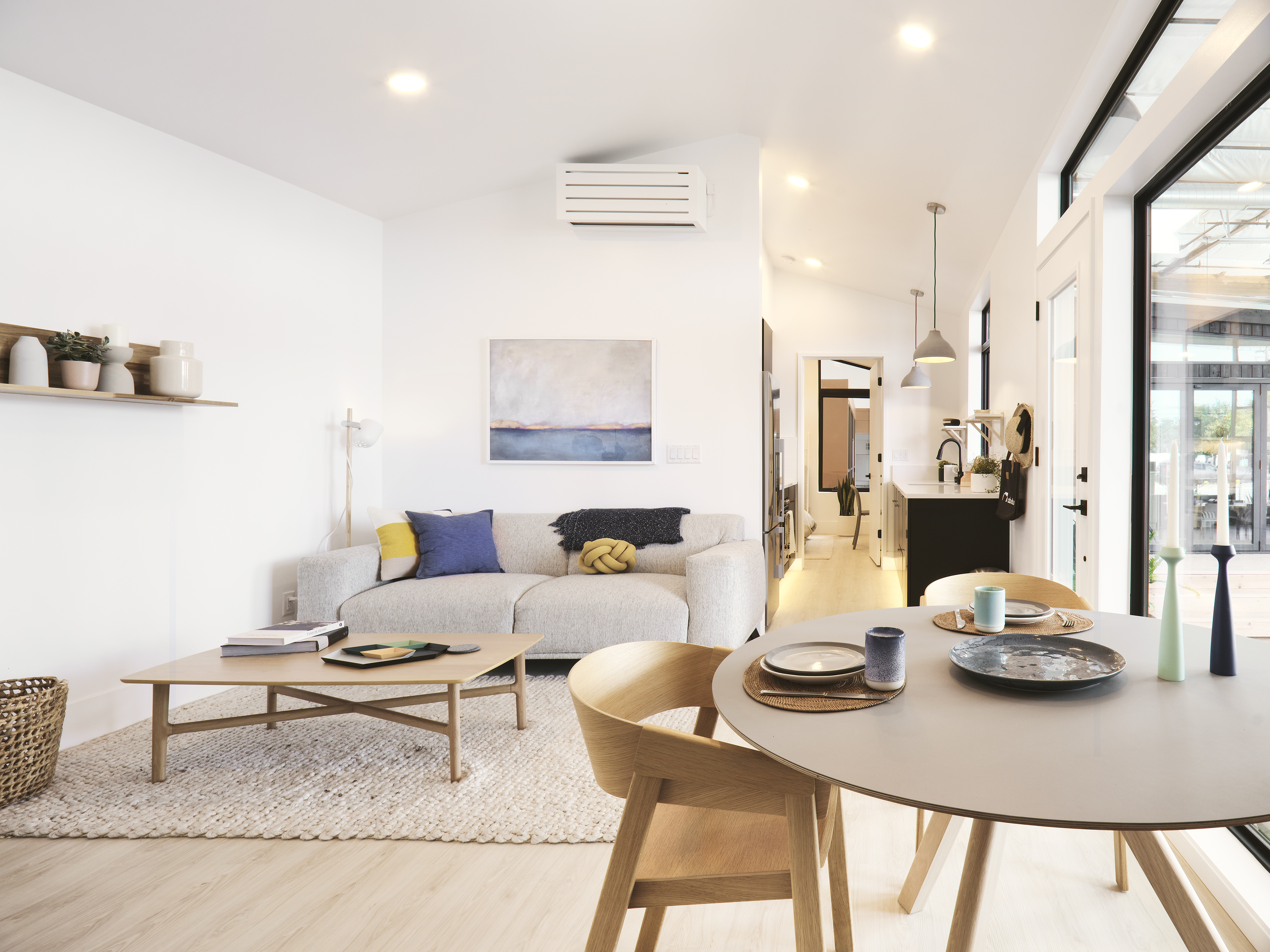
The unit above is ABODU Two, one of the pre-approved designs in the Los Angeles Standard Plan catalog. LADBS Standard Plan Program.
Los Angeles will hand you a set of pre-approved ADU plans for nothing, and the city's own YOU-ADU design is genuinely free to use. That is the good news, and it is also the smallest line on your budget. A pre-approved plan saves you an architect's fee and a few weeks of plan check, but the 750-square-foot unit those plans describe still costs roughly a quarter of a million dollars to actually build in 2026.
The short version:
- The LADBS Standard Plan catalog lists roughly 90 designs, more than 50 of them currently approved, and the city-owned YOU-ADU plan is free to use, which saves design and plan-check cost, not construction cost.
- A detached 750-square-foot ADU in Los Angeles runs roughly $225,000 to $340,000 to build in 2026, before financing.
- Stay at 750 square feet or less and California exempts the unit from impact fees. Cross that line and the fees can eat close to a year of rent.
What the free plan actually saves
The Standard Plan Program exists to make one part of the job faster. A private architect or engineer draws an ADU, LADBS pre-approves it once against the building, residential, and green codes, and after that any homeowner can pull it off the shelf and skip most of the design-phase plan check. The city program page spells out the tradeoff plainly, and the YOU-ADU plan by Lehrer Architects is offered free of charge. Call it a saving of roughly $10,000 to $20,000 you would otherwise pay an architect to start from a blank sheet.
Real money. It is also the cheapest thing you were going to buy.
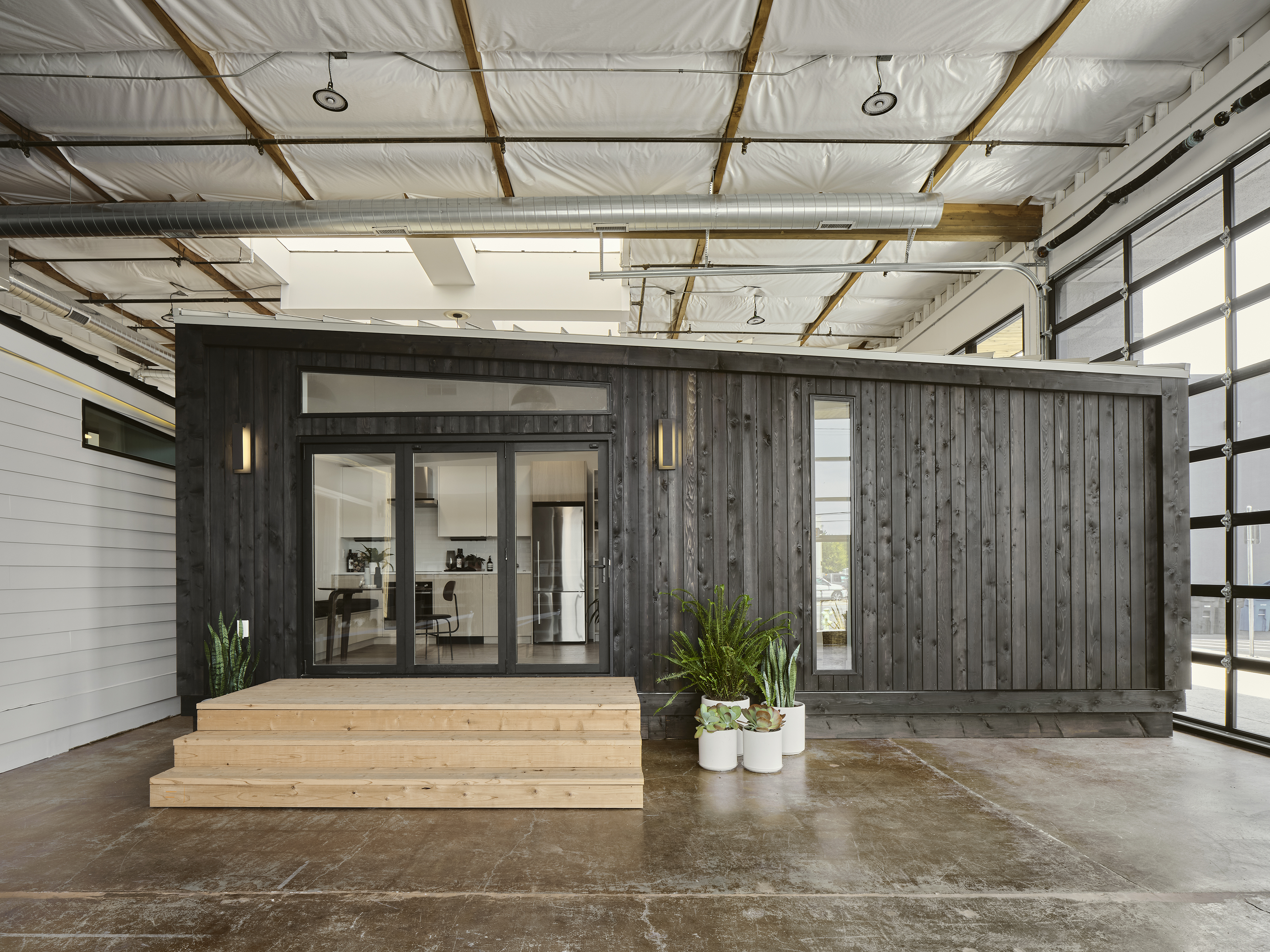
The ledger on a 750-square-foot unit
Here is the same project, line by line, for a detached unit in the middle of the Los Angeles market. Every range is rounded and labeled roughly, because your lot, your soil, and your finishes move all of it. First-time ADU clients tend to anchor on the top line. The one that decides the project sits three rows down.
| Line item | Rough figure | In plain terms |
|---|---|---|
| Pre-approved or YOU-ADU plan | $0 to a modest license fee | The part everyone talks about, and the smallest number here |
| Design saved vs a custom architect | ~$10,000 to $20,000 | Roughly half a year of the rent this unit will earn |
| Construction, 750 sq ft detached | ~$225,000 to $340,000 | $300 to $450 a square foot, the number that decides the project |
| Permits, plan check, utilities | ~$25,000 to $60,000 | Add the GPMS surcharge, 7 percent of the building permit fees, riding on top of the permit stack |
| Impact fees, 750 sq ft or less | $0 | The state exemption you keep by not going bigger |
Translate the top line. The free plan saves you something like $15,000. Your tenant pays that back in about six or seven months, because a one-bedroom in Los Angeles rents for roughly $2,000 to $2,500 a month right now. So the celebrated free plan is worth a little more than half a year of rent. The construction bill is worth eleven or twelve years of it.
The 750 line. The most valuable number in this whole exercise is not on the plan set. California exempts an ADU of 750 square feet or less from impact fees. Draw the same unit at 800 square feet to fit a real second bedroom and, depending on your jurisdiction, you pick up impact fees that run into the thousands. You have traded a slightly bigger unit for close to a year of the rent it would have earned. The free plan did not decide that. Your tape measure did.
Our read: the free plan is real savings on the cheapest part of the build, and treating it as the headline is how people talk themselves into a project whose actual math lives three lines down. Budget from the construction number and the 750-square-foot threshold, not from the word free.
The cross-street check. The same ledger reads differently one state line and one coast away. In San Francisco the number that moves is not cost but rent: a unit built under the city's Waiver Program is subject to rent control, so the rent line that anchors an LA payback does not climb the way a new LA unit's can, because a new LA ADU with its own certificate of occupancy is generally exempt from rent control in a way SF's Waiver units are not. In New York City the subsidy hits the cost side instead: the city and state's Plus One ADU program offers up to $395,000 per NYC household, an HPD loan of up to $220,000 plus a state grant of up to $175,000, public money toward a build that an LA owner finances privately. Same unit, three different ledgers.
You can pressure-test your own version of this ledger, fee by fee, with A-du's permit fee calculator.
The catalog keeps growing and the plans are being refreshed for the 2026 code cycle, so the free-plan side of this ledger only gets better. The construction side is the one worth your attention.
Elsewhere on the ADU beat
- LA County is weighing a draft amendment that would, for the first time, limit ADUs on certain subdivided lots, LA County Planning.
- Ten recently completed American ADUs, including a Mar Vista backyard unit, show how far the small-lot typology has stretched, Dezeen.
- The statewide CalHFA $40,000 ADU grant remains closed, with no 2026 funding round announced, CalHFA.